Brightening & tone
Peach
also known as Prunus persica fruit extract, peach blossom
One of the few K-beauty ingredients where the word on the front of the box is more often a colour or a scent than a formula decision — and one big product that is the real exception.
What it is
Prunus persica fruit extract, plus occasionally peach flower extract or peach kernel oil. The fruit contributes sugars, small amounts of vitamin C, and carotenoids — the pigments that make a peach orange. In practice it usually appears low on the ingredient list, well below the actives doing the heavy lifting.
What it actually does
The honest position is that peach extract is a mild antioxidant and humectant, and there is very little skin research on it specifically. It is not doing much on its own. What makes it worth a page is what it is nearly always attached to: peach shows up in Korean brightening formulas as the flavour on top of a serious active, and the most prominent example pairs it with niacinamide at a high concentration. If a peach product is working for you, the mechanism is almost certainly the niacinamide, the vitamin C or the acid it is formulated alongside — not the fruit.
Why K-beauty uses it
This is the ingredient where our own catalog analysis went wrong first, and the mistake is instructive for shoppers too. A plain name search returned 200 products; most were blusher, tint and concealer shades — Pink Peach, Lazy Peach, Blushed Peach — plus a peach kombucha. Filtering to skincare leaves 50 products across 29 brands. In other words, peach on a Korean label is more often a colour name than an ingredient. Anua's Peach 70 line is the genuine anchor, and there the number refers to the niacinamide, not the fruit. Read past the front of the box.
Best for
- Dullness
- Uneven tone
- People who like the format
Not ideal for
- Anyone seeking a proven standalone active
- Fragrance-sensitive skin
Pairs well with
Niacinamide
pairs wellThe pairing that defines the category — and usually the ingredient actually working.
Vitamin C
pairs wellAntioxidant stack; no conflict.
Hyaluronic acid
pairs wellLayer freely.
Centella asiatica
pairs wellCalming alongside a mild brightener.
AHA (Glycolic & Lactic Acid)
pairs wellNo interaction from the fruit extract itself.
Routine placement
- Where it lives
- Toner · Essence · Serum · Mask
- AM/PM
- AM & PM
- Frequency
- Daily
How to use it
Whatever the format dictates. There are no timing rules attached to the fruit extract itself — follow the guidance for whichever active it is carrying.
The Plug verdict
Peach is a marketing surface more than an active, and we would rather say that plainly than write you 200 words pretending otherwise. That does not make peach products bad — several of them are genuinely good, and one of them is one of the better-value niacinamide serums on the Korean market. It means you should shop them by what else is in the bottle. If two peach serums sit side by side and one has 70 percent niacinamide and the other has peach extract in the bottom third of the INCI list with nothing else going on, they are not competitors, and the price difference between them is not telling you what it looks like it is telling you.
Products with peach
6 products
Anua
Peach 70 Niacinamide Serum

Anua
Peach 77 Niacin Essence Toner
fwee
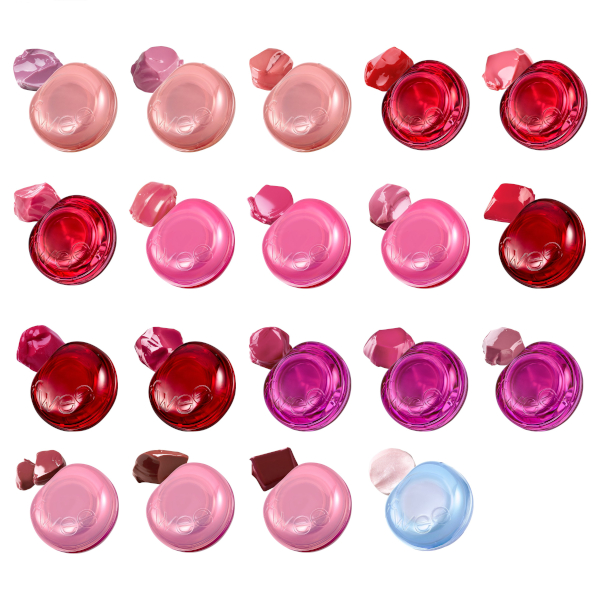
Lip & Cheek Glowy Jelly Pot - 4g - JC01 Honey Peach

Derma:B
Daily Moisture Body Oil - 200ml - Fresh Peach

HOUSE OF DOHWA
Peach Blossom Overnight Mask 1.69 fl. oz.(50ml)
CLIO
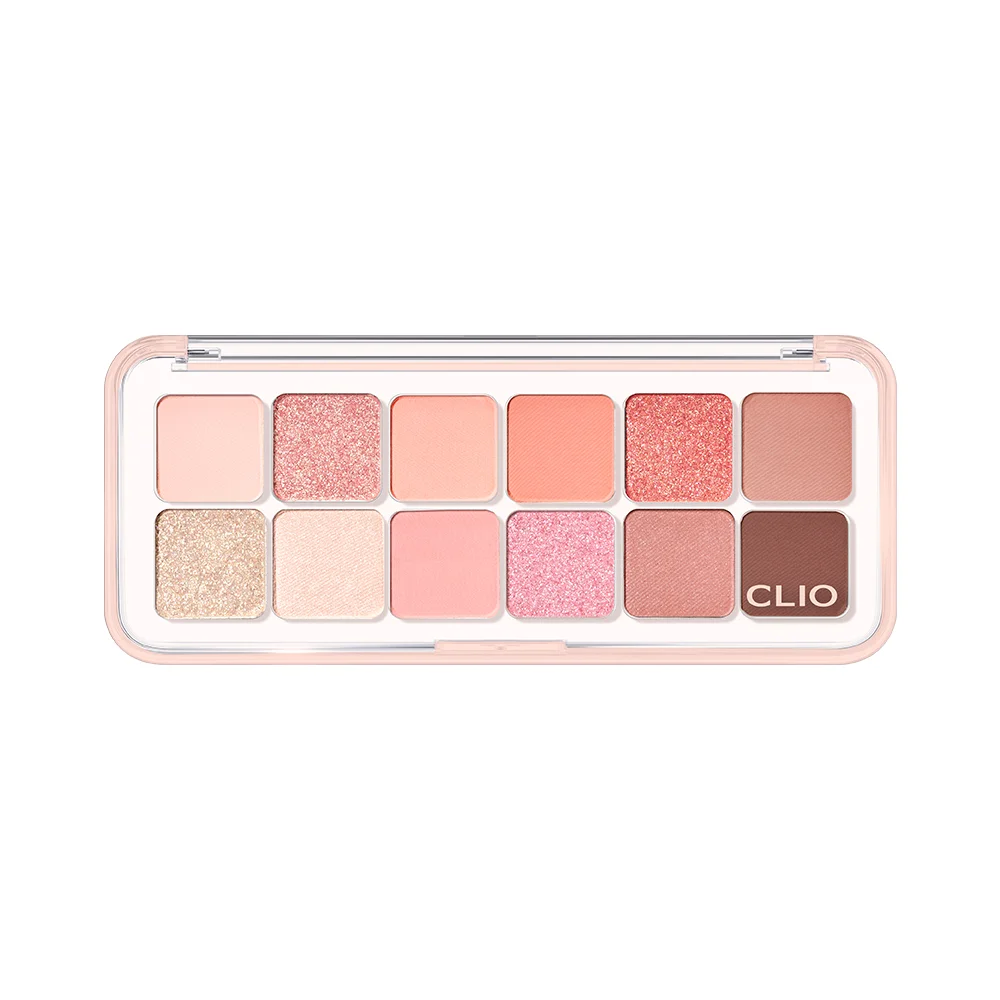
Pro Eye Palette Air (Every Fruit Grocery Version) - 0.6g*12 - 09 Peach Mate Apple
We match by ingredient mentions in product copy from our authentic retailers. If we missed a product you know contains peach, let us know.
Related ingredients
Niacinamide
aka Vitamin B3
The all-rounder — evens tone, calms redness, and tightens the look of pores without irritation.
Beginner-safe
Vitamin C
aka L-ascorbic acid, ascorbyl glucoside
The morning antioxidant — brightens, evens tone, and buffers daily UV and pollution damage.
Glutathione
aka GSH
A trending antioxidant brightener — promising for glow, but manage expectations on topical whitening.
Beginner-safe
Frequently asked
- What does Peach do?
- One of the few K-beauty ingredients where the word on the front of the box is more often a colour or a scent than a formula decision — and one big product that is the real exception.
- Is Peach good for beginners?
- Yes — Peach is considered beginner-friendly in most K-beauty routines.
- Is Peach safe for sensitive skin?
- Peach is generally well-tolerated on sensitive skin.
- How do you use Peach?
- Whatever the format dictates. There are no timing rules attached to the fruit extract itself — follow the guidance for whichever active it is carrying.