Hydration & barrier
Soybean
also known as Glycine soja, soy isoflavones, fermented soybean
A single-ingredient essence made Korean soybean famous, and the interesting part is that fermenting it changes what it does.
What it is
Glycine soja, the soybean, appearing as seed extract, oil, or — most interestingly in Korean formulas — as a ferment. Soybeans carry isoflavones, the best-known being genistein and daidzein, along with proteins, sugars and fatty acids. Fermenting the bean converts the isoflavones from their bound form into free aglycones, which are smaller and more readily absorbed. That conversion is the reason so many Korean soy products are fermented rather than simply extracted.
What it actually does
Soy is a decent humectant and emollient — that part is uncontroversial and is most of what a soy essence delivers day to day. Beyond that, isoflavones are structurally similar to estrogen and can weakly occupy the same receptors, and this is where the anti-aging claims come from. There is some laboratory and small-trial evidence linking topical soy to improved skin texture and reduced pigmentation, and separately a well-known ingredient, soybean trypsin inhibitor, is associated with interrupting pigment transfer. It is a reasonable body of evidence, not a strong one, and effects reported are modest. Treat soy as a good supporting ingredient with a plausible mechanism rather than a proven active.
Why K-beauty uses it
We track 40 skincare products across 11 brands naming soy, and the category is unusually concentrated — mixsoon's single-ingredient bean essence did most of the work of making it a category at all, and ma:nyo, make p:rem, medicube, SOME BY MI and ROUND LAB followed. It is one of the clearest examples of the Korean minimal-formula trend: one recognizable food ingredient, very little else, sold on the strength of the ingredient list being short enough to read.
Best for
- Dry skin
- Barrier support
- Minimalist routines
- Fine lines
Not ideal for
- Diagnosed soy allergy without a patch test
- Active breakouts
Pairs well with
Niacinamide
pairs wellBoth associated with tone; no conflict.
Hyaluronic acid
pairs wellStraightforward hydration layering.
Ceramides
pairs wellSeal a soy essence with a ceramide cream.
Retinol
pairs wellSoy buffers; useful on retinoid nights.
→ Soy first, retinoid after — or soy as the buffer layer.
Vitamin C
pairs wellNo interaction.
Galactomyces Ferment
pairs wellBoth ferments; overlapping rather than additive.
Routine placement
- Where it lives
- Cleanser · Toner · Essence · Serum · Moisturizer
- AM/PM
- AM & PM
- Frequency
- Daily, morning and night
How to use it
Most often an essence or cleanser. Apply after cleansing, before heavier steps. Daily use, morning and night, is normal for this category.
The Plug verdict
Soy essence is one of the better things to come out of the minimal-ingredient trend, because the pitch and the product actually match: it is a simple, cheap, well-tolerated hydrating layer, and it is sold as one. Where we would push back is on the anti-aging framing that has grown around it. The isoflavone research is real but early and mostly not conducted on faces, and a bean essence is not a substitute for a retinoid if firmness is your actual goal. Buy it as a good, inexpensive hydrator with a possible bonus. The single-ingredient formats are also usually the best value in this group, which is not something we get to say often.
Products with soybean
6 products
ROUND LAB
Soybean Panthenol Cream

ROUND LAB
Soybean Nourishing Cream

medicube
Soyxidill 2in1 Treatment
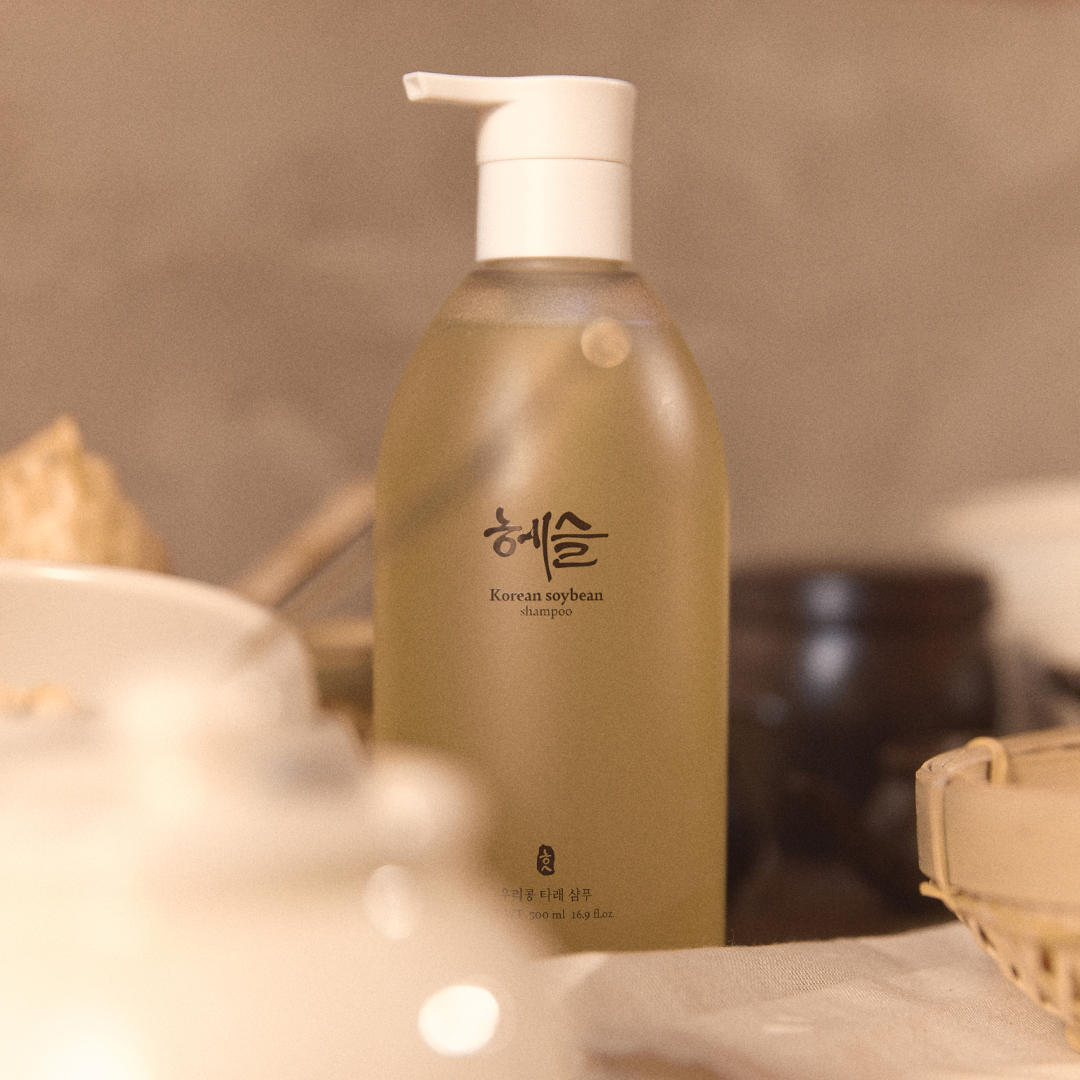
Hesul
Korean Soybean Shampoo

SOME BY MI
Somebymi - Lacto Soy Enzyme Deep Cleansing Foam

ROUND LAB
Soybean Qla Barrier Cream
We match by ingredient mentions in product copy from our authentic retailers. If we missed a product you know contains soybean, let us know.
Related ingredients
Galactomyces Ferment
aka Galactomyces ferment filtrate
The iconic 'essence' ferment — a glow-and-tone booster that made lightweight essences famous.
Beginner-safe
Rice Extract
aka Rice bran / rice ferment
The gentle glow-giver — mild brightening and comfy hydration in one very beginner-friendly package.
Beginner-safe
Ceramides
The mortar between your skin cells — restores the barrier when it's been compromised.
Beginner-safe
Frequently asked
- What does Soybean do?
- A single-ingredient essence made Korean soybean famous, and the interesting part is that fermenting it changes what it does.
- Is Soybean good for beginners?
- Yes — Soybean is considered beginner-friendly in most K-beauty routines.
- Is Soybean safe for sensitive skin?
- Soybean is generally well-tolerated on sensitive skin.
- How do you use Soybean?
- Most often an essence or cleanser. Apply after cleansing, before heavier steps. Daily use, morning and night, is normal for this category.