Brightening & tone
Pearl
also known as Pearl powder, hydrolysed conchiolin protein, nacre
A traditional East Asian brightening ingredient with centuries of history, a light-scattering optical effect you can see immediately, and remarkably little modern evidence for anything beyond that.
What it is
Ground or hydrolysed nacre — the iridescent inner layer of certain molluscs. Chemically it is mostly calcium carbonate, plus a small protein fraction called conchiolin and trace minerals. Hydrolysed conchiolin protein is the form that can meaningfully interact with skin; plain pearl powder is largely an insoluble mineral and stays on the surface.
What it actually does
Two very different things are being sold under one name, and separating them is the whole point of this page. The first is optical and immediate: finely milled pearl scatters light, so skin looks more even the moment it is applied. That effect is real, it is physical, and it washes off. The second is the biological claim — that pearl inhibits tyrosinase and lightens pigment over time. That claim rests mainly on laboratory work and a small number of studies, and the human evidence is weak. There is a reasonable argument that the conchiolin fraction has some hydrating and antioxidant activity, but nobody should expect pearl to do what niacinamide or arbutin does.
Why K-beauty uses it
Pearl has been in Korean and Chinese cosmetic tradition for centuries, and its presence on a modern label is partly heritage signalling. We track 37 products across 14 brands — KLAVUU built an entire line on it, and MISSHA, MIZON, The Face Shop, The Saem and JMsolution all carry pearl products. It sits most often in sheet masks and sleeping packs, which fits the optical reading of what it does: these are formats bought for how skin looks tomorrow morning rather than in three months.
Best for
- Immediate radiance
- Special occasions
- Dullness
- Traditional routines
Not ideal for
- Melasma
- Stubborn dark spots
- Anyone wanting evidenced pigment work
Pairs well with
Niacinamide
pairs wellPearl for tonight, niacinamide for the months after.
Hyaluronic acid
pairs wellStandard hydration layering.
Arbutin
pairs wellThe evidenced brightener does the real work alongside.
Collagen
pairs wellCommon pairing in Korean masks; both largely surface effects.
Centella asiatica
pairs wellNo interaction.
AHA (Glycolic & Lactic Acid)
pairs wellExfoliate first; pearl sits on the surface afterwards.
→ Acid step first.
Routine placement
- Where it lives
- Essence · Serum · Mask · Moisturizer
- AM/PM
- AM & PM
- Frequency
- As the format directs
How to use it
Most often a sheet mask, essence or sleeping pack. Use as that format directs. There is no tolerance-building period and no sun sensitivity.
The Plug verdict
Pearl is the clearest case in this library of an ingredient whose visible effect and whose advertised effect are two different things. The glow is real and instant, because light-scattering particles do what light-scattering particles do. The brightening claim borrows credibility from that glow and from a long cultural history, and the modern evidence behind it is thin. We think pearl products are worth buying if you understand you are buying the optical effect and the format — a good pearl sleeping pack is a good sleeping pack. We do not think pearl is worth a premium over a niacinamide or arbutin product if the actual goal is fading a spot, and it is often priced as though it were.
Products with pearl
6 products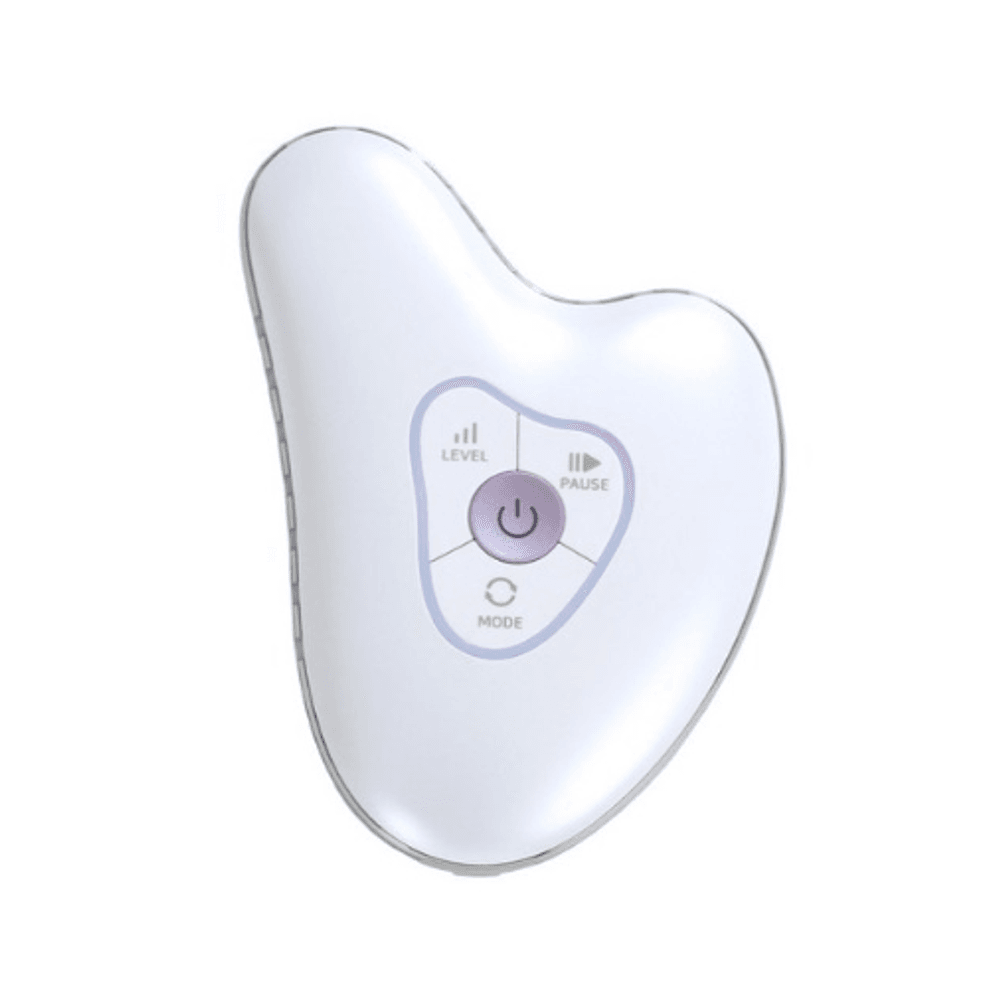
Centellian24
Madeca Prime Ritual White Pearl
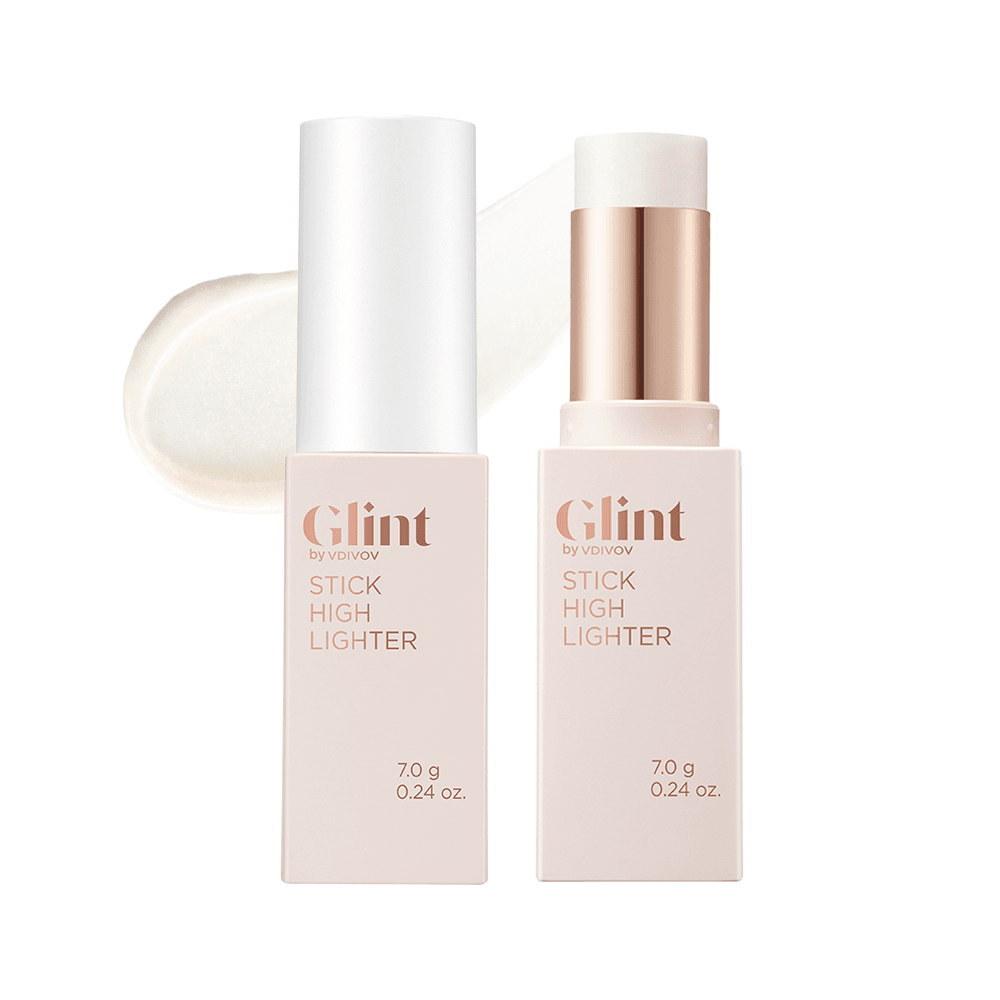
Glint
Stick Highlighter - 7g - 02 Milky Moon

CLIO
Pro Single Shadow - 1.5g - G10 Pearfection

KLAVUU
Rejuve Pearlsation Peptide Eye Cream

KLAVUU
Blue Pearlsation One Day 8 Cups Marine Collagen Aqua Toner

PRETTYSKIN
Pearl Ampoule
We match by ingredient mentions in product copy from our authentic retailers. If we missed a product you know contains pearl, let us know.
Related ingredients
Arbutin
aka Alpha-arbutin
A gentler cousin of hydroquinone — fades pigmentation slowly and steadily, without irritation.
Beginner-safe
Niacinamide
aka Vitamin B3
The all-rounder — evens tone, calms redness, and tightens the look of pores without irritation.
Beginner-safe
Collagen
aka Hydrolyzed collagen
A surface hydrator that plumps and smooths — just don't expect a topical to rebuild the collagen deeper down.
Beginner-safe
Frequently asked
- What does Pearl do?
- A traditional East Asian brightening ingredient with centuries of history, a light-scattering optical effect you can see immediately, and remarkably little modern evidence for anything beyond that.
- Is Pearl good for beginners?
- Yes — Pearl is considered beginner-friendly in most K-beauty routines.
- Is Pearl safe for sensitive skin?
- Pearl is generally well-tolerated on sensitive skin.
- How do you use Pearl?
- Most often a sheet mask, essence or sleeping pack. Use as that format directs. There is no tolerance-building period and no sun sensitivity.