Microbiome & barrier-next
Probiotics
also known as Lactobacillus ferment, bifida ferment lysate, postbiotics
Almost nothing sold as a skincare probiotic contains live bacteria — what you are buying is the filtered leftovers of a fermentation, and that is not the weakness it sounds like.
What it is
A true probiotic is a live micro-organism. Cosmetics are preserved, shelf-stable and sit in a warm bathroom for months, so live cultures almost never survive in them — and a product that did contain them would raise regulatory questions most brands do not want. What you are actually buying is one of two things: a ferment lysate, meaning bacteria that were grown and then deliberately broken open, or a ferment filtrate, the strained liquid left after fermentation. Both are collections of the molecules bacteria leave behind: peptides, amino acids, sugars, organic acids. The accurate word for these is postbiotics, and a few Korean brands have started using it.
What it actually does
The best-studied ingredient in this family is bifida ferment lysate, which has been associated in company-funded trials with improved barrier recovery and reduced sensitivity, and lactobacillus ferments are commonly credited with mild soothing and hydration. The honest summary is that these behave like well-tolerated humectants and barrier supports with some evidence of calming, and that the marketing story — rebalancing your skin's microbiome — runs well ahead of what has been demonstrated on human skin. Nobody has shown that a rinse-off or leave-on cosmetic durably shifts which species live on your face. If a brand tells you their essence restores your flora, treat that as a claim, not a finding.
Why K-beauty uses it
Fermentation was in Korean skincare for decades before anyone called it a microbiome, and that history is why the category is so deep here. We track 61 products across 27 brands naming a probiotic or ferment, including Abib, Haruharu Wonder, TOCOBO, numbuzin, Mary&May and Beauty of Joseon. One label-reading tip: galactomyces ferment filtrate is the most famous Korean ferment of all and gets its own page here, so a product naming both is not doubling up on the same thing.
Best for
- Sensitive skin
- Damaged barrier
- Redness
- Over-exfoliated skin
Not ideal for
- Pigmentation
- Congestion and blackheads
Pairs well with
Galactomyces Ferment
pairs wellSame family; both are ferment filtrates, so expect overlap rather than addition.
Niacinamide
pairs wellStandard barrier pairing.
Ceramides
pairs wellStructural repair alongside soothing.
Centella asiatica
pairs wellThe obvious calming stack.
Hyaluronic acid
pairs wellLayer freely; no interaction.
Microbiome & postbiotic complexes
pairs wellClosely related — read both pages before buying two products.
AHA (Glycolic & Lactic Acid)
pairs wellA useful recovery layer on nights you exfoliate.
→ Acid first, ferment after.
Routine placement
- Where it lives
- Toner · Essence · Serum · Moisturizer
- AM/PM
- AM & PM
- Frequency
- Daily, morning and night
How to use it
Usually a toner, essence or moisturizer, applied as that step normally would be. No frequency limit, no build-up period, no sun sensitivity. It layers under and over almost anything.
The Plug verdict
This is a good ingredient category wrapped in a bad story. The soothing and barrier-support effects are real enough and the tolerance is excellent, so a bifida or lactobacillus essence is a sensible thing to own if your skin runs reactive. But the microbiome framing is doing a lot of promotional work that the science has not paid for yet, and it is being used to justify serious price premiums. Buy it because it is a gentle, hydrating, calming layer. Do not buy it because you believe it is rebalancing anything, and be sceptical of any brand that puts a number on your flora.
Products with probiotics
6 products
Haruharu Wonder
Black Rice Probiotics Barrier NAD+ Serum Mist
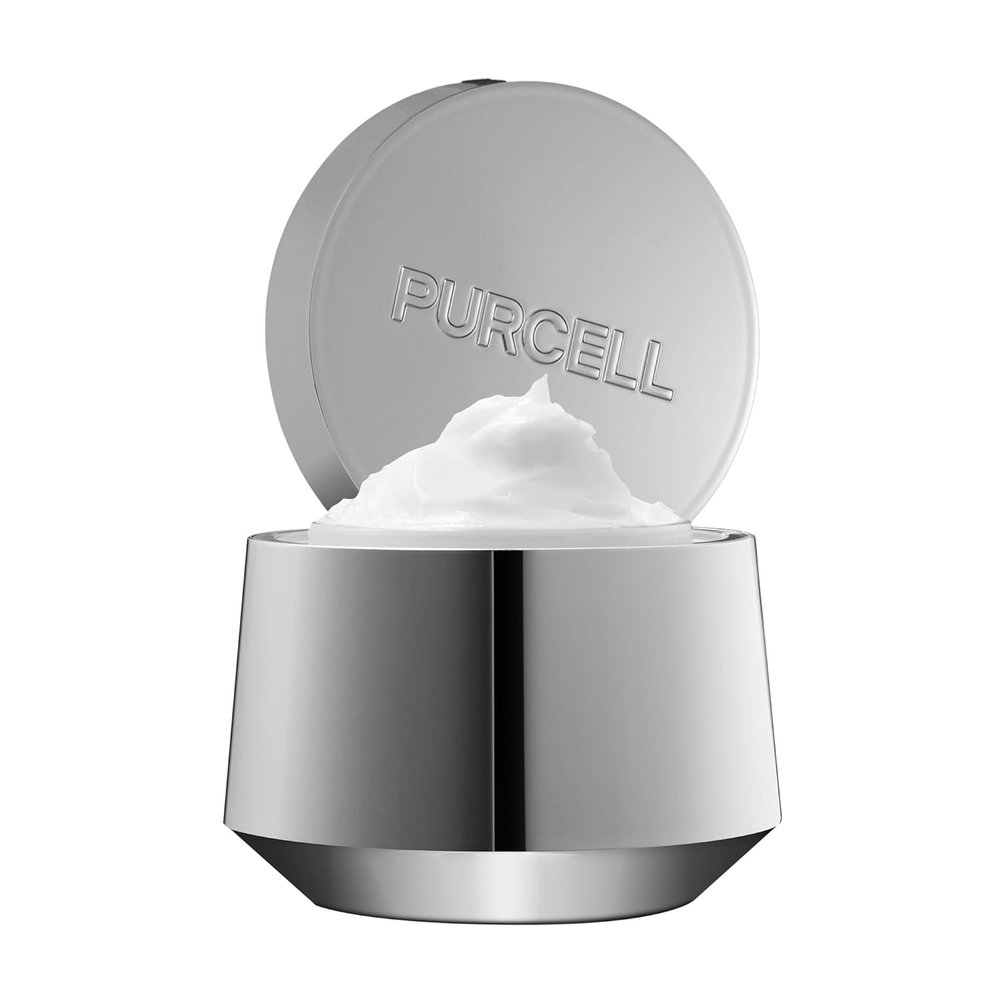
PURCELL
Pixcell BiomTM 5+ Probiotics Rebooting Cream 1.69 fl. oz.(50ml)

Ksecret
Seoul 1988 Cleansing Oil Pine Cica 1 Probiotics

BIOHEAL BOH
Probioderm 3D Lifting Ampoule

numbuzin
No.3 Bifida Bakuchiol Exfoliating Toner Pads (New Verison of No.4 Pore Zero Peeled Egg Toner Pad)

SOME BY MI
Somebymi - Lacto Soy Enzyme Deep Cleansing Foam
We match by ingredient mentions in product copy from our authentic retailers. If we missed a product you know contains probiotics, let us know.
Related ingredients
Galactomyces Ferment
aka Galactomyces ferment filtrate
The iconic 'essence' ferment — a glow-and-tone booster that made lightweight essences famous.
Beginner-safe
Microbiome & postbiotic complexes
aka Postbiotics, ferment filtrates, lysates
Barrier-first ingredients that feed and mimic the skin's own bacterial ecosystem — the frontier of K-Beauty's calming category.
Beginner-safe
Niacinamide
aka Vitamin B3
The all-rounder — evens tone, calms redness, and tightens the look of pores without irritation.
Beginner-safe
Frequently asked
- What does Probiotics do?
- Almost nothing sold as a skincare probiotic contains live bacteria — what you are buying is the filtered leftovers of a fermentation, and that is not the weakness it sounds like.
- Is Probiotics good for beginners?
- Yes — Probiotics is considered beginner-friendly in most K-beauty routines.
- Is Probiotics safe for sensitive skin?
- Probiotics is generally well-tolerated on sensitive skin.
- How do you use Probiotics?
- Usually a toner, essence or moisturizer, applied as that step normally would be. No frequency limit, no build-up period, no sun sensitivity. It layers under and over almost anything.