Soothing
Aloe
also known as Aloe barbadensis leaf juice, aloe vera
The most familiar soothing ingredient in skincare, and one of the most loosely used — what "aloe" means on a Korean label ranges from the second ingredient to a rounding error.
What it is
Gel from the inner leaf of the aloe barbadensis plant, mostly water with polysaccharides, amino acids and small amounts of vitamins. On an INCI list it appears as aloe barbadensis leaf juice, extract, or powder reconstituted in water.
What it actually does
Aloe is a humectant and a mild anti-inflammatory. The best-supported use is calming after heat or irritation — sunburn is where the clinical evidence is strongest — and it holds water at the surface reasonably well. The wider claims made for it, particularly around wound healing and collagen, come mostly from lab and animal work and do not translate cleanly to a cosmetic leave-on product at cosmetic concentrations. Treat it as a good soothing base, not an active.
Why K-beauty uses it
Two things to check on a Korean aloe product. First, position on the ingredient list: aloe leaf juice as the first or second ingredient is a real aloe product, whereas aloe extract sitting below the preservative is a claim, not a dose. The famous 92%-95% aloe gels are honest about this in a way most serums are not. Second, and specific to the US: California's Proposition 65 lists non-decolorized whole leaf extract of aloe vera — and only that form. It is not the aloe in ordinary cosmetics, which is decolorized or inner-leaf and is not on the list. If you see a Prop 65 warning on an aloe product it is worth reading which form is named; if you see no warning, that is what you should expect. We track 109 aloe products across 45 brands.
Best for
- Post-sun
- Heat-reactive skin
- Layering between actives
- Oily skin in summer
Not ideal for
- Anyone expecting it to do the work of an active
Pairs well with
Centella asiatica
pairs wellThe two calming staples; they stack without issue.
Panthenol
pairs wellBoth soothe and hold water; a standard post-irritation pair.
Hyaluronic acid
pairs wellTwo humectants, no conflict.
Niacinamide
pairs wellAloe softens the flushing some people get from niacinamide.
BHA
pairs wellA useful buffer after exfoliating.
Retinal
pairs wellCalms the adjustment period without blunting the retinoid.
Vitamin C
pairs wellNo interaction; aloe just takes the sting out.
Routine placement
- Where it lives
- Toner · Essence · Moisturizer · Mask
- AM/PM
- AM & PM
- Frequency
- Daily
How to use it
Anywhere in a routine — aloe-based toners and gels sit comfortably early, aloe gels work as a light moisturizer for oily skin in summer. If you are using it to calm something, use it on its own for a few days rather than layering it over the thing that caused the irritation.
The Plug verdict
Aloe is genuinely good at one thing and marketed as good at nine. The soothing and the surface hydration are real; the anti-aging framing is not supported at the concentrations in a cosmetic. Where it earns its keep is as the calm step — the thing you reach for when your routine has too many actives in it and your face is telling you so. Buy the honest ones: a 92% aloe gel for a few dollars will out-soothe a serum that lists aloe extract eleventh, and cost a fifth as much.
Products with aloe
6 products
BENTON
Aloe Hyaluron Cream

APRILSKIN
Pink Aloe Vita Toner
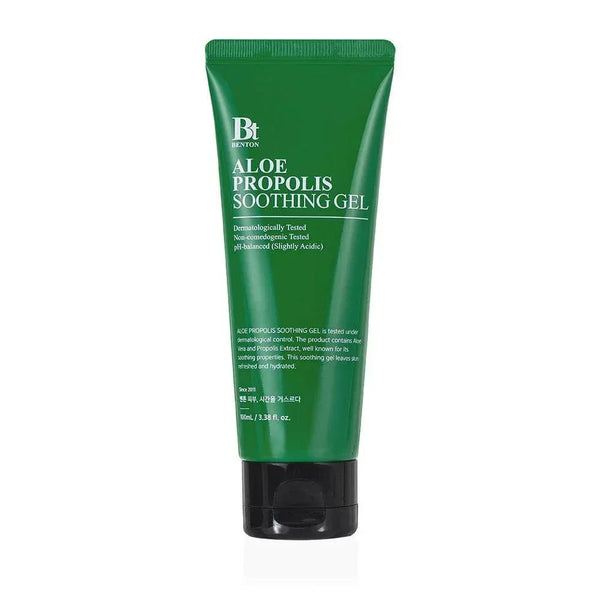
BENTON
Aloe Propolis Soothing Gel 3.38 fl. oz.(100ml)

Isntree
Aloe Soothing Gel Fresh Type

COSRX
Aloe Soothing Sun Cream SPF50+ PA+++
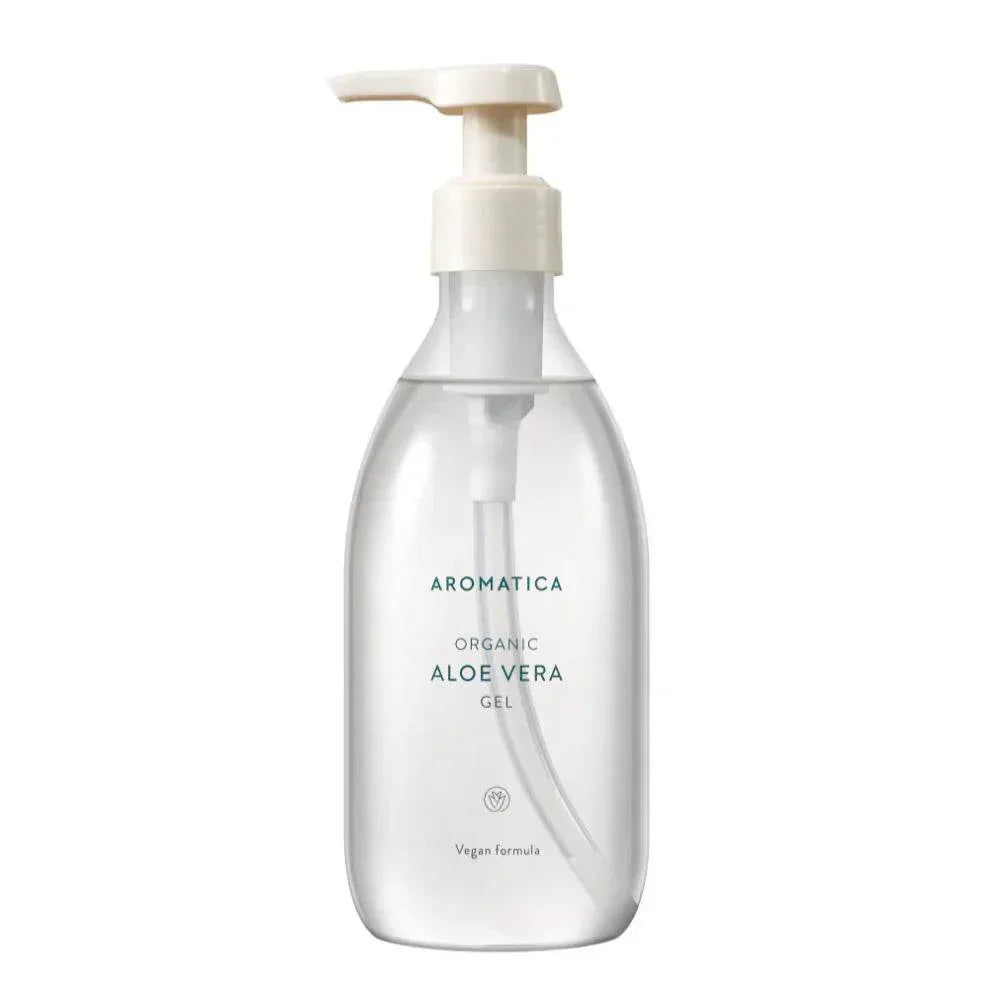
Aromatica
Organic Aloe Vera Gel
We match by ingredient mentions in product copy from our authentic retailers. If we missed a product you know contains aloe, let us know.
Related ingredients
Centella asiatica
aka Cica, tiger grass
The K-Beauty soothing standard — calms redness, speeds barrier recovery, and quiets reactive skin.
Beginner-safe
Panthenol
aka Pro-vitamin B5
Quiet workhorse — hydrates, soothes, and speeds the skin's recovery from almost anything.
Beginner-safe
Heartleaf
aka Houttuynia cordata
The breakout-calmer of the moment — settles angry, reactive skin with a very light touch.
Beginner-safe
Frequently asked
- What does Aloe do?
- The most familiar soothing ingredient in skincare, and one of the most loosely used — what "aloe" means on a Korean label ranges from the second ingredient to a rounding error.
- Is Aloe good for beginners?
- Yes — Aloe is considered beginner-friendly in most K-beauty routines.
- Is Aloe safe for sensitive skin?
- Aloe is generally well-tolerated on sensitive skin.
- How do you use Aloe?
- Anywhere in a routine — aloe-based toners and gels sit comfortably early, aloe gels work as a light moisturizer for oily skin in summer. If you are using it to calm something, use it on its own for a few days rather than layering it over the thing that caused the irritation.