Soothing
Oat
also known as Avena sativa, colloidal oatmeal, oat kernel extract, oat milk
The quietest ingredient on most 'for sensitive skin' labels, and the only one in this library where a US regulator recognizes a specific form of it — while the form K-Beauty actually uses is something else entirely.
What it is
Oat in skincare is not one ingredient but a family of them, and the label tells you which one you bought. Colloidal oatmeal is the whole grain milled fine and suspended — it is listed as an active ingredient in the US over-the-counter skin protectant monograph, at a defined minimum of 0.007 percent (21 CFR 347.10). Avena Sativa Kernel Extract, Kernel Flour and 'oat milk' are cosmetic ingredients: fractions of the grain, at whatever concentration the formulator chose, carrying no such standing. Most Korean products use the extract. The components that do the work are beta-glucan, a soluble fiber that holds water; avenanthramides, phenolic compounds present in oats at roughly 300 ppm; starches, which make up 65 to 85 percent of colloidal oatmeal; and lipids and saponins, which are why oat cleansers feel soft and barely foam.
What it actually does
The best-supported story is comfort and barrier support, not correction. Work on colloidal oatmeal published in the Journal of Drugs in Dermatology (2016) found it induced expression of genes tied to epidermal differentiation, tight junctions and lipid regulation, and that it buffers pH; the accompanying trial in 50 participants with dry lower legs reported improvement in dryness and barrier measures. Avenanthramides have shown anti-inflammatory and anti-itch activity in published research. What oat does not do is exfoliate, brighten or resurface. When an oat powder wash feels like it is polishing your skin, that is milled grain acting as a physical scrub — a texture effect, not plant chemistry. And it is worth being precise about what the evidence covers: it sits on colloidal oatmeal at monograph concentrations, not on a kernel extract sitting eleventh on a Korean ingredient list.
Why K-beauty uses it
Korean brands have long treated oat as a comfort ingredient rather than a hero, and until recently it barely reached a front label. PURITO SEOUL's Oat-in line is the exception and the reason this page exists — a gentle exfoliating cleanser, a calming gel cream and an Oat PDRN toner that all put the word in the product name. We track 13 oat products across 6 brands, 7 of them currently live, which makes this one of the smallest ingredient sets in the library. Before you go shopping for it, note that oat's most-studied component, beta-glucan, is sold on its own in Korean serums at concentrations no oat extract discloses or approaches.
Best for
- Reactive skin
- Barrier recovery
- Post-active irritation
- Gentle cleansing
- Fragrance-free routines
Not ideal for
- Known oat sensitivity
- Pigmentation
- Texture and pores
- Anyone shopping for an active
Pairs well with
Beta-glucan
pairs wellOat's most-studied component, sold on its own with the concentration disclosed — read both pages before buying twice.
Centella asiatica
pairs wellThe two default soothers; overlapping rather than additive.
Panthenol
pairs wellStandard barrier-comfort pairing, often in the same formula.
Ceramides
pairs wellOat comforts the surface while ceramides rebuild the lipids.
Niacinamide
pairs wellNo conflict; oat takes the edge off the flushing some people get.
Hyaluronic acid
pairs wellLayer freely; no interaction.
Microbiome & postbiotic complexes
pairs wellBoth work the calm-and-barrier angle from different directions.
Retinol
pairs wellA sound buffer on retinoid nights.
→ Either order — oat as the buffer layer works well.
BHA
pairs wellA calm landing after exfoliating.
→ Acid first, oat after.
AHA (Glycolic & Lactic Acid)
pairs wellSame idea — oat is the recovery step, not a competing one.
→ Acid first, oat after.
Routine placement
- Where it lives
- Cleanser · Toner · Moisturizer · Mask
- AM/PM
- AM & PM
- Frequency
- Daily, as the format directs
How to use it
As the format directs. There is no ramp-up period, no sun sensitivity, and nothing to alternate around. Worth knowing about cleansers specifically: oat is doing its work in the ninety seconds it is on your face, which is a real ceiling on what any rinse-off oat product can deliver compared with a leave-on one.
The Plug verdict
Oat is the rare ingredient the marketing undersells. Nobody writes breathless copy about it, and the evidence behind colloidal oatmeal is better than the evidence behind several ingredients that get far more attention. The catch is that the evidence attaches to a specific regulated form at a stated minimum concentration, and almost nothing in the Korean catalog is that form — it is oat kernel extract, unquantified, in a formula doing four other things. So we read oat on a label as a good signal that a product was formulated to be gentle, and we would not pay a premium for it as an active. If a soothing product you already like contains oat, that is a point in its favor. If you are shopping specifically for what oat is meant to do, beta-glucan is the same chemistry with the number on the box.
Products featuring oat
7 productsEditorially picked products where oat is the hero — ranked by real value across authentic retailers.

Products with oat
6 products
PURITO SEOUL
Oat In Gentle Exfoliating Face Cleanser

PURITO SEOUL
Oat PDRN Gentle Refining Toner

Lassie'el
Enzyme Oat Scrub Powder Wash 2.1 oz.(60g)
PURITO SEOUL
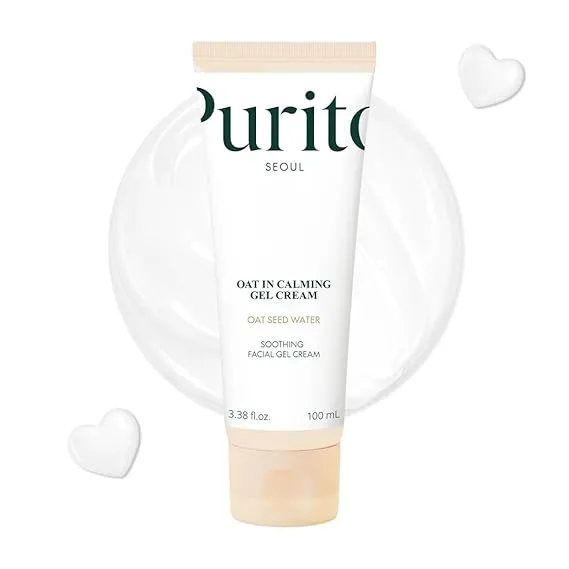
Oat-in Calming Gel Cream 3.38 fl. oz.(100ml)

The Saem
Honey Oatmeal Melting Lip Balm

The Saem
Honey Oatmeal Lip Treatment
We match by ingredient mentions in product copy from our authentic retailers. If we missed a product you know contains oat, let us know.
Related ingredients
Beta-glucan
An oat-derived humectant that hydrates deeper than hyaluronic acid and soothes at the same time.
Beginner-safe
Centella asiatica
aka Cica, tiger grass
The K-Beauty soothing standard — calms redness, speeds barrier recovery, and quiets reactive skin.
Beginner-safe
Panthenol
aka Pro-vitamin B5
Quiet workhorse — hydrates, soothes, and speeds the skin's recovery from almost anything.
Beginner-safe
Frequently asked
- What does Oat do?
- The quietest ingredient on most 'for sensitive skin' labels, and the only one in this library where a US regulator recognizes a specific form of it — while the form K-Beauty actually uses is something else entirely.
- Is Oat good for beginners?
- Yes — Oat is considered beginner-friendly in most K-beauty routines.
- Is Oat safe for sensitive skin?
- Oat is generally well-tolerated on sensitive skin.
- How do you use Oat?
- As the format directs. There is no ramp-up period, no sun sensitivity, and nothing to alternate around. Worth knowing about cleansers specifically: oat is doing its work in the ninety seconds it is on your face, which is a real ceiling on what any rinse-off oat product can deliver compared with a leave-on one.