Actives
Tomato
also known as Solanum lycopersicum, green tomato, red tomato, white tomato, lycopene, tomatine
Korea's current pore-care mascot, and the one ingredient in this library whose entire evidence base is about eating it rather than applying it.
What it is
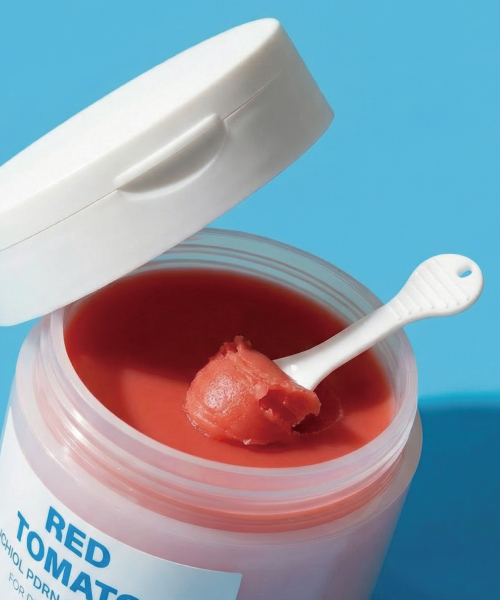
Solanum lycopersicum, the tomato. On a Korean INCI list it turns up as fruit extract, fruit water, fruit juice, fruit/leaf/stem extract, a Lactobacillus ferment of the fruit, or seed oil — six different raw materials from one plant. The front of the box adds a colour: green tomato, red tomato, white tomato. Those are marketing segmentations, not INCI ones. Green tomato means unripe fruit and is the only one of the three with a real compositional argument behind it, because the alkaloids tomatine and tomatidine concentrate in the fruit before it ripens. Red and white are, as far as the ingredient list goes, the same Solanum Lycopersicum Fruit Extract everyone else is using.
What it actually does
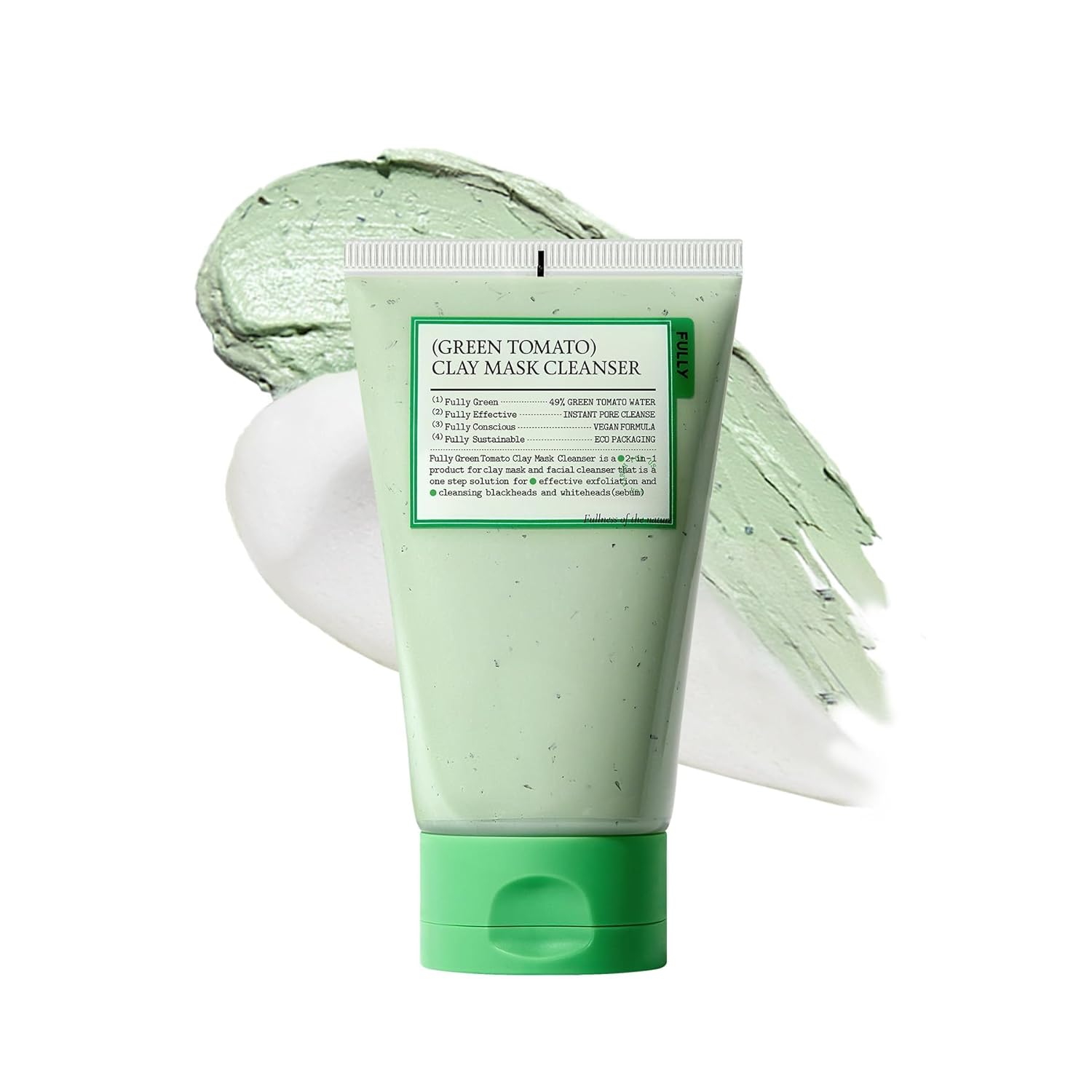
Ingredient registries file tomato fruit extract under antioxidant and skin-conditioning — not exfoliating, not oil-regulating, which is what most of the shelf is selling it for. The research people cite is nearly all oral. The strongest piece is a double-blind, placebo-controlled crossover in the British Journal of Dermatology where volunteers swallowed 20 mg of lycopene a day for twelve weeks, and the outcome measured was UV-induced gene expression in biopsied skin. The much-quoted '41% fewer fine lines' figure comes from a different study again: open-label, no control group, 50 people, an oral carotenoid supplement, and the supplement's manufacturer in the frame. Eating tomatoes and putting tomato water on your face are not the same intervention, and nothing in that literature carries across to a rinse-off cleanser. Green tomato's pore reputation rests on tomatine and tomatidine, and the published work on those is largely cell-culture and agricultural rather than skin trials — plausible, unproven. Tomato seed oil is a separate material, roughly half linoleic acid, behaving like any other light plant oil. The most useful habit with this category is reading where the tomato actually sits. In Sungboon Editor's Green Tomato Pore Lifting Ampoule+, tomato fruit extract is the 24th of 66 ingredients, while niacinamide is 7th, adenosine 19th and gluconolactone — a PHA — 25th. Those three have real evidence behind them for pores, texture and fine lines. But it is not a category-wide bait and switch: FULLY's Green Tomato Serum leads with tomato fruit extract as the first ingredient, niacinamide eighth. Same shelf, opposite formulations.
Why K-beauty uses it
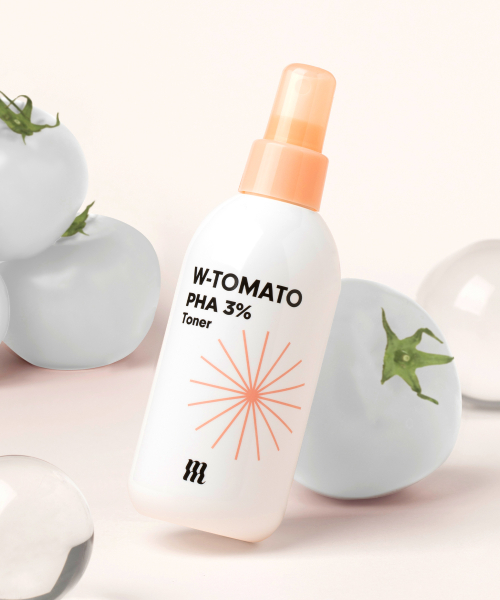
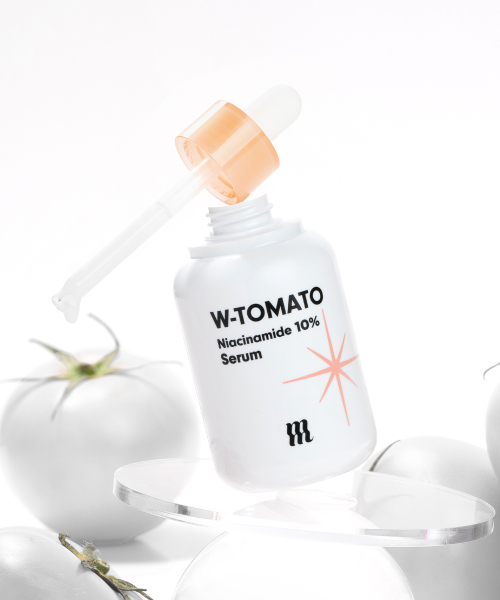
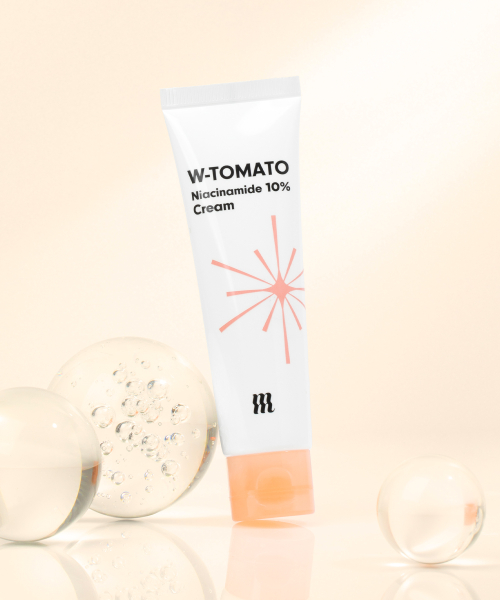
One brand is most of this category. Searching live product names for 'tomato' returns 71 items; strip out the lip tints and blushes where tomato is a shade name — Sunny Tomato, Rosy Tomato, Maple Tomato — and 55 skincare products remain across 11 brands. Of those 55, Sungboon Editor accounts for 32 and FULLY for 8, so two brands are three-quarters of the shelf, and Sungboon's green-tomato pore range alone runs to cleansing oil, enzyme powder, tissue, foam, toner, peeling pads, ampoules, masks, creams and a sun cream. Everyone else is answering them. MERZY takes the honest route and names the active on the box: White Tomato Niacinamide 10%. Korea got to tomato through the food-cosmetic tradition that also gave the shelf rice, green tea and mung bean — Skinfood has been selling tomato masks since long before 'green tomato' became a pore claim.
Best for
- Oily and combination skin
- Visible pores and rough texture
- Anyone wanting a low-risk antioxidant step
Not ideal for
- Alcohol-sensitive skin — check the list, not the fruit
- Dry skin using the clay and enzyme formats
- Anyone expecting the tomato itself to be the active
Pairs well with
Niacinamide
pairs wellAlready in most tomato pore products — it's usually the reason they work.
PHA
pairs wellThe standard pairing in this category; just don't add a third exfoliant on top.
Hyaluronic acid
pairs wellClay and enzyme steps are drying; follow with a humectant.
Ceramides
pairs wellBarrier lipids after a pore-clearing step is the sensible order.
Centella asiatica
pairs wellCalms whatever the clay or acid stirred up.
Green Tea
pairs wellTwo plant antioxidants with no clash; green tea has the better evidence of the pair.
Vitamin C
pairs wellNo interaction — and vitamin C is the antioxidant actually doing measurable work here.
Use with care
BHA
use cautionMany tomato pore products already contain a PHA or LHA — adding BHA can be more exfoliation than you meant to buy.
→ Read the list first; alternate days if both.
AHA (Glycolic & Lactic Acid)
use cautionSame issue — the acid is often already in the tomato product.
→ Different days.
Retinol
alternate useThe tomato itself is fine with retinol; the clay, alcohol and acids riding along with it are not.
→ Keep wash-off pore treatments off retinoid nights.
Retinal
alternate useSame as retinol — it's the format, not the fruit.
→ Alternate nights.
Not "avoid at all costs" — most K-beauty routines get away with these combos by splitting AM/PM or alternating nights. The caution is about how you layer, not whether you use them.
Routine placement
- Where it lives
- Cleanser · Toner · Essence · Serum · Moisturizer · Mask
- AM/PM
- AM & PM
- Frequency
- Clay, enzyme and peeling formats 2–3x a week; toners, serums and creams daily
How to use it
Treat tomato as a passenger and dose the product by whatever else is in it. Clay packs, enzyme powders and peeling pads: two or three times a week. Toners, ampoules, serums and creams: daily, AM or PM. Check the list for alcohol denat. near the top if your skin dislikes it, and for an acid you may already be getting elsewhere in your routine — doubling up on PHA without noticing is the common way this category goes wrong. A tomato sunscreen is a sunscreen; buy it on its SPF and finish, not its fruit.
The Plug verdict
Green tomato is a good marketing idea attached to a mild ingredient, and that is a more interesting verdict than it sounds. The products genuinely work for a lot of people — Sungboon's range has the reviews to show it — but read the list and you usually find niacinamide, a PHA and adenosine doing the work while the tomato supplies the colour scheme and the name. That is worth knowing chiefly because it tells you what you are paying for and what to compare. If a green tomato ampoule and a plain 10% niacinamide serum are on the same page, you are choosing between two niacinamide products, and the tomato one costs more. Where the category earns its keep is the formats: Korea has built tomato into clay packs, enzyme powders and peeling pads that are genuinely well made. Buy those for the format. And if you want the thing the tomato studies actually measured, that was twelve weeks of swallowing lycopene — which is a note about your lunch, not your bathroom shelf.
Products featuring tomato
45 productsEditorially picked products where tomato is the hero — ranked by real value across authentic retailers.
















Products with tomato
6 products
Sungboon Editor
Green Tomato Nmn Pore Hydro Soothing Toner

Tosowoong
Green Tomato Pore Ampoule
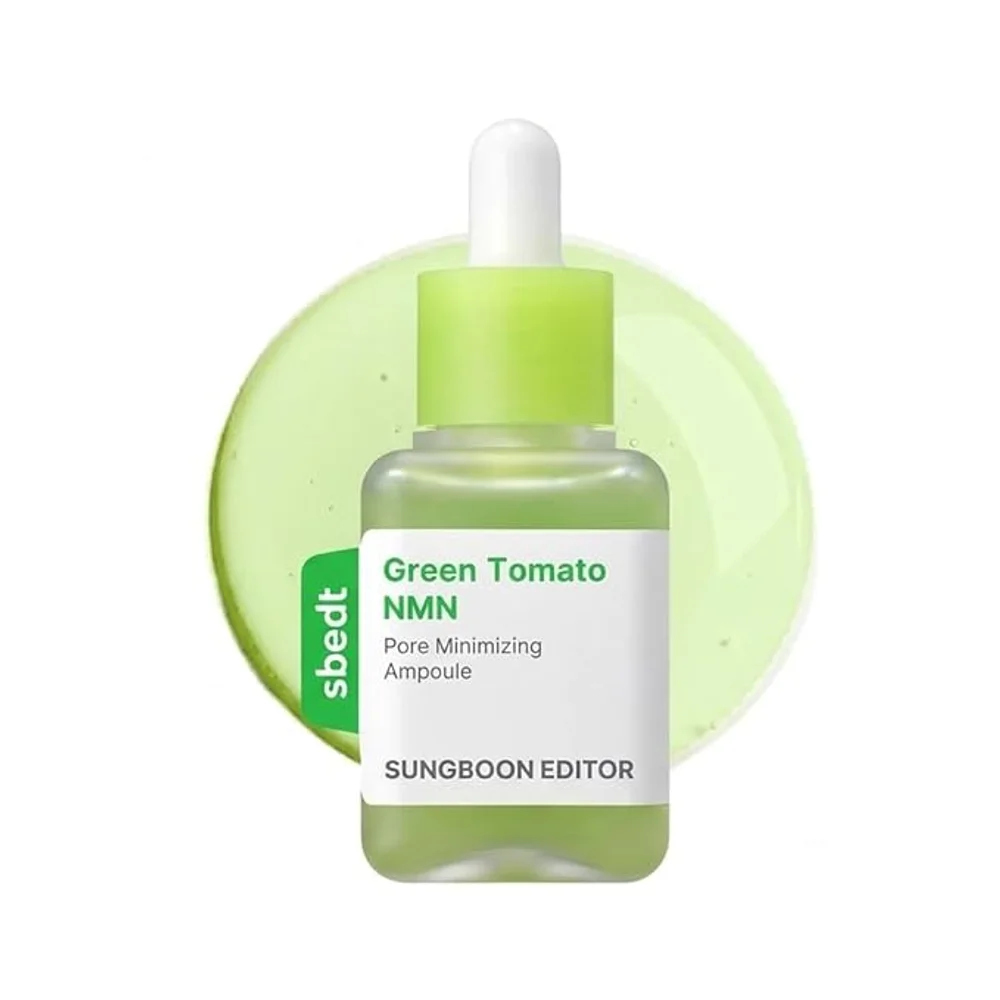
Sungboon Editor
Green Tomato NMN Pore Minimizing Ampoule

Sungboon Editor
Green Tomato Pore Peeling Jumbo Pad
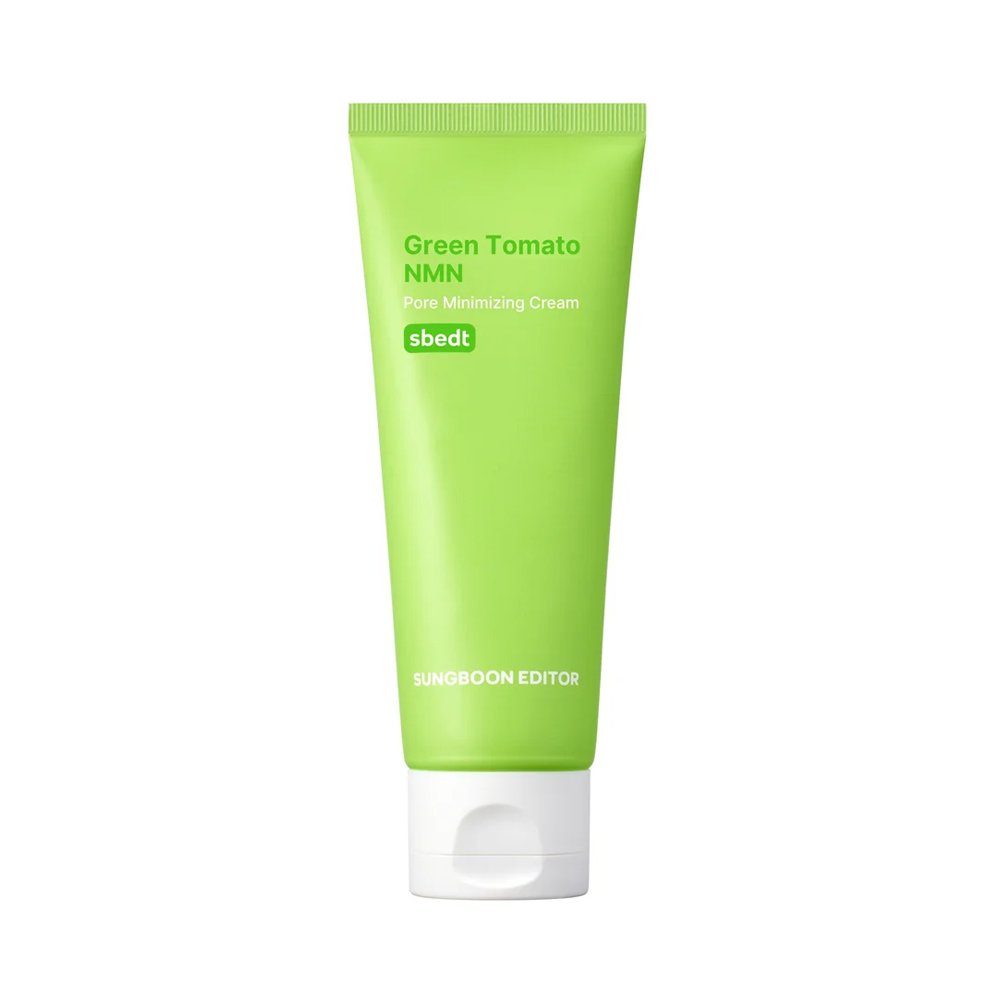
Sungboon Editor
Green Tomato Nmn Pore Minimizing Cream 1.69 fl. oz.(50ml)

Sungboon Editor
Green Tomato Pore Boosting Deep Shot Ampoule
We match by ingredient mentions in product copy from our authentic retailers. If we missed a product you know contains tomato, let us know.
Related ingredients
Niacinamide
aka Vitamin B3
The all-rounder — evens tone, calms redness, and tightens the look of pores without irritation.
Beginner-safe
PHA
aka Polyhydroxy acid, gluconolactone, lactobionic acid
The third acid, and the one most people should have started with — a bigger molecule that exfoliates more slowly and stings far less than AHA or BHA.
Beginner-safe
Green Tea
aka Camellia sinensis
Antioxidant calm for oily and reactive skin — soothes redness and helps keep shine in check.
Beginner-safe
Frequently asked
- What does Tomato do?
- Korea's current pore-care mascot, and the one ingredient in this library whose entire evidence base is about eating it rather than applying it.
- Is Tomato good for beginners?
- Yes — Tomato is considered beginner-friendly in most K-beauty routines.
- Is Tomato safe for sensitive skin?
- Tomato is generally well-tolerated on sensitive skin.
- How do you use Tomato?
- Treat tomato as a passenger and dose the product by whatever else is in it. Clay packs, enzyme powders and peeling pads: two or three times a week. Toners, ampoules, serums and creams: daily, AM or PM. Check the list for alcohol denat. near the top if your skin dislikes it, and for an acid you may already be getting elsewhere in your routine — doubling up on PHA without noticing is the common way this category goes wrong. A tomato sunscreen is a sunscreen; buy it on its SPF and finish, not its fruit.