Actives
Zinc
also known as Zinc PCA, zinc oxide, zinc gluconate, zinc pyrithione, Zn
One word on the box, two completely different ingredients inside — and the one doing the marketing is usually the one in the smallest amount.
What it is
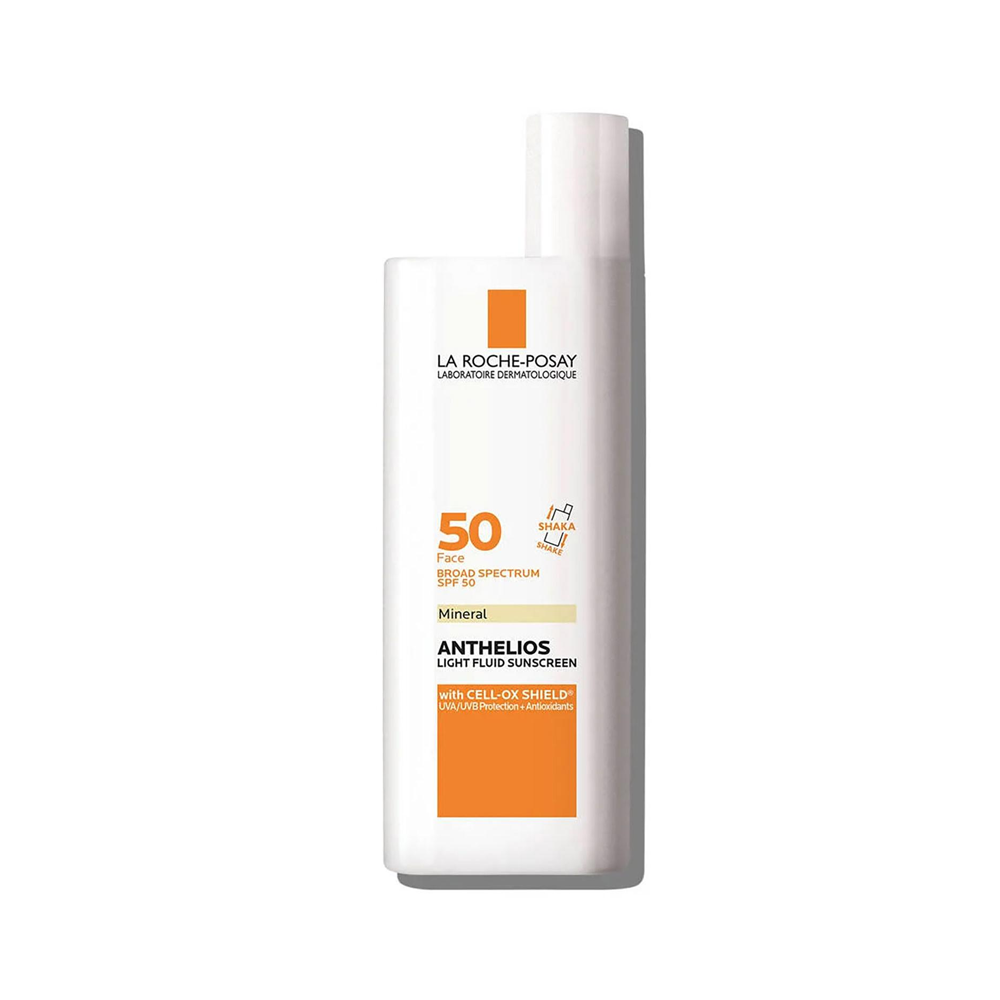
Zinc is a mineral, not a molecule, and that is the whole problem with reading it on a label. The word tells you which metal is present and nothing about what it is attached to — and what it is attached to decides what it does. Two forms dominate Korean skincare and they have almost nothing in common. Zinc PCA is the zinc salt of pyrrolidone carboxylic acid, the same PCA that turns up as sodium PCA in humectant blends; it is water-soluble, invisible in a formula, and it is the zinc in every 'niacinamide + zinc' serum on the shelf. Zinc oxide is a white mineral powder, a UV filter approved at up to 25% in Korea, the US and the EU, and one of only two filters the FDA has proposed as Category I safe-and-effective. A third, zinc pyrithione, is an anti-dandruff agent, banned from EU cosmetics on 1 March 2022 under the Omnibus IV regulation after a CMR reclassification. COSRX's Centella Blemish Cream contains zinc oxide fifth on the list and zinc PCA seventeenth — two zincs, one tube, doing unrelated jobs.
What it actually does
Take the registry first. The INCI functions filed for zinc PCA are antimicrobial, moisturizing, skin conditioning and smoothing. Sebum regulation is not among them, which is notable given that sebum regulation is what the category sells. The oil-control story rests on in-vitro work — sebocyte cultures and 5-alpha-reductase inhibition assays — that has never been matched by a decent topical trial in people. The strongest zinc-and-acne evidence is oral and unflattering: a multicentre randomised double-blind trial of 332 patients compared 30 mg elemental zinc gluconate against 100 mg minocycline over 90 days, and the success rate was 31.2% for zinc against 63.4% for the antibiotic. That is a real effect, well short of the comparator, and it was achieved by swallowing zinc, not applying it. Topical zinc trials exist but are small, mostly zinc sulfate solutions, and inconsistent. Zinc oxide is the exception to all of this: as a UV filter it is measured, rated and regulated, and it also sits in the US OTC monograph as a skin protectant, which is the reason it is in calamine and diaper cream. So the honest split is that one zinc has strong evidence for something nobody markets it for, and the other has weak evidence for everything it is marketed for.
Why K-beauty uses it
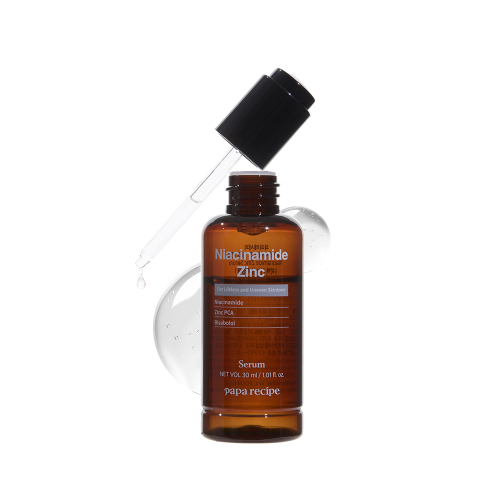
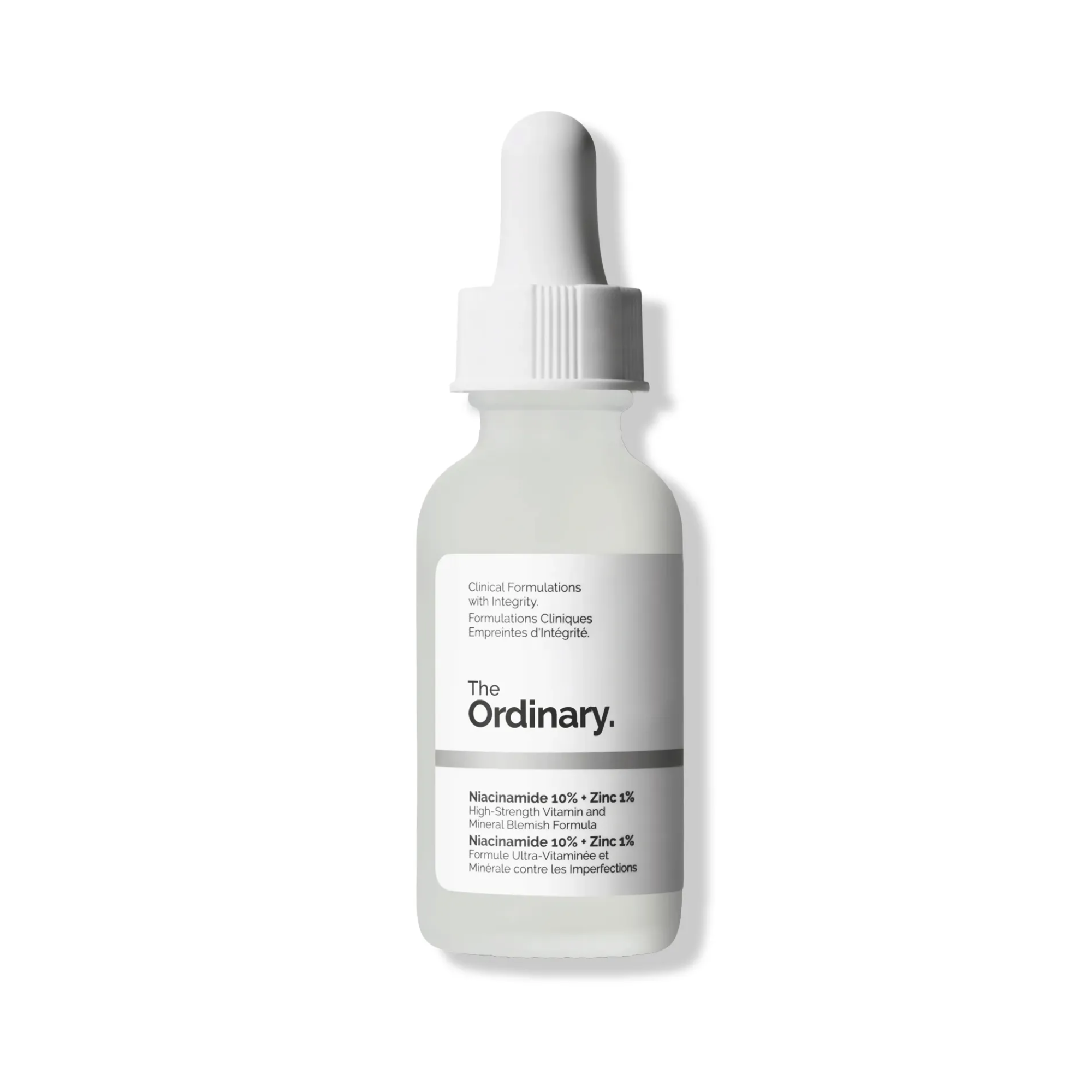
Zinc reached the Korean shelf on niacinamide's coat-tails. The Ordinary's Niacinamide 10% + Zinc 1% made the pairing a category, and Korean brands answered it with their own versions — Cos De BAHA's Niacinamide 20% Zinc PCA 4%, FRANKLY's Niacinamide 15% Zinc Beads, Papa Recipe's and CARE:NEL's Niacinamide Zinc serums, APLB's zinc-first cream. The live catalogue carries 38 products with zinc in the name across 23 brands, and the shape of that list is the story: most are niacinamide serums with zinc as the second name on the box, four are sunscreens where zinc means zinc oxide, and two are oral supplements that are not skincare at all. Korea's other habit is to pair zinc with a calming botanical rather than an acid — Anua's Heartleaf 77 B3 Zinc, GOODAL's Heartleaf Zinc Hyaluron, Bring Green's whole Zinc Teca range — which is a more sensible construction than the Western oil-stripping approach, and is why these products suit reactive blemish-prone skin better than their ingredient list suggests.
Best for
- Oily and combination skin
- Blemish-prone skin that reacts badly to stripping
- Anyone already buying a niacinamide serum
Not ideal for
- Dry or dehydrated skin at the higher use levels
- Anyone expecting the zinc rather than the niacinamide to be the active
- Deeper skin tones wanting an invisible finish from a zinc-oxide-only sunscreen
Pairs well with
Niacinamide
pairs wellThe default pairing — and in most 'zinc' products the niacinamide is doing the heavy lifting.
BHA
pairs wellClear the pore, then let zinc and niacinamide handle the aftermath.
Heartleaf
pairs wellKorea's preferred construction: zinc for blemishes, heartleaf to stop the routine turning harsh.
Centella asiatica
pairs wellSame logic as heartleaf — calming cover for a blemish-focused step.
Azelaic Acid
pairs wellDifferent mechanisms on the same concern; azelaic acid has the better evidence of the two.
Hyaluronic acid
pairs wellWorth adding if a higher-dose zinc formula feels tight.
Ceramides
pairs wellOil control without barrier loss is the point; ceramides make that easier.
Retinol
pairs wellNo interaction — zinc PCA is one of the few blemish ingredients that adds nothing to retinoid irritation.
Retinal
pairs wellSame as retinol; zinc PCA is inert here.
Vitamin C
pairs wellNo clash. Zinc oxide sunscreen over morning vitamin C is a standard, sensible order.
Use with care
Tea Tree
use cautionBoth turn up in the same blemish formulas — tea tree oil is the part sensitive skin reacts to, not the zinc.
Copper peptides
alternate useZinc and copper compete for the same transport and binding sites — a theoretical clash rather than a proven one, but easy to sidestep.
→ Split AM/PM.
Not "avoid at all costs" — most K-beauty routines get away with these combos by splitting AM/PM or alternating nights. The caution is about how you layer, not whether you use them.
Routine placement
- Where it lives
- Cleanser · Toner · Essence · Serum · Moisturizer · Sunscreen · Mask
- AM/PM
- AM & PM
- Frequency
- Zinc PCA products daily; zinc oxide sunscreens every morning and reapplied
Pregnancy note: Both zinc PCA and zinc oxide are considered suitable during pregnancy and nursing — zinc oxide sunscreens are the standard recommendation. Check with your doctor about anything else in the formula.
How to use it
Read the list before you buy, because the position of zinc PCA tells you most of what you need to know. In COSRX's The Niacinamide 15 Serum it is seventh of fifteen ingredients; in Isntree's Hyper Niacinamide 20 it is eighth; in APLB's Zinc Niacinamide Facial Cream it sits seventh, ahead of the niacinamide, which is the rare case of a product named after the thing it actually leads with. Across the fourteen products in our catalogue with zinc PCA on a published list, most put it in the back third — twenty-fourth, twenty-seventh, thirty-second — below the preservatives, which places it in fractions of a percent. Zinc PCA products are daily, AM or PM, and layer anywhere — no acid, no timing rule, no sun sensitivity. Zinc oxide is a sunscreen step and follows sunscreen rules: last in the routine, applied properly, reapplied. Do not treat a zinc-oxide blemish cream as sun protection; it is not SPF-rated and was never tested as such.
The Plug verdict
Zinc is a passenger ingredient sold as a driver, and the tell is always the ingredient list. When 'niacinamide + zinc' is on the front of the box, the niacinamide is second or third and the zinc PCA is somewhere in the back half, and you are buying a niacinamide serum with a better name. That is not a scam — those serums work, and zinc PCA is a perfectly reasonable thing to include — but it should change what you compare. Put a zinc serum next to a plain niacinamide serum and you are choosing between two niacinamide products; buy whichever is cheaper, better textured, or has the calming extract you want. The handful worth seeking out are the ones where zinc leads: APLB's cream puts it ahead of the niacinamide, Cos De BAHA's 4% is an unusually honest dose. And zinc oxide is a genuinely excellent ingredient that has nothing to do with any of this — if you want the zinc with the strongest evidence behind it, buy a sunscreen.
Products featuring zinc
31 productsEditorially picked products where zinc is the hero — ranked by real value across authentic retailers.









Products with zinc
6 products
SKINFOOD
Peach Cotton Zinc Pca Essence

Isntree
Ultra-Low Molecular Hyaluronic Acid Zinc Aqua Cream

SKINFOOD
Peach Cotton Zinc PCA Toning Cream
The Ordinary
Niacinamide 10% + Zinc 1% 1 fl. oz.(30ml)

Bring Green
Zinc Teca Blemish Serum

APLB
Zinc Niacinamide Facial Cream
We match by ingredient mentions in product copy from our authentic retailers. If we missed a product you know contains zinc, let us know.
Related ingredients
Niacinamide
aka Vitamin B3
The all-rounder — evens tone, calms redness, and tightens the look of pores without irritation.
Beginner-safe
BHA
aka Salicylic acid
An oil-soluble exfoliant that gets inside pores — for blackheads, congestion, and texture that won't smooth out.
Heartleaf
aka Houttuynia cordata
The breakout-calmer of the moment — settles angry, reactive skin with a very light touch.
Beginner-safe
Frequently asked
- What does Zinc do?
- One word on the box, two completely different ingredients inside — and the one doing the marketing is usually the one in the smallest amount.
- Is Zinc good for beginners?
- Yes — Zinc is considered beginner-friendly in most K-beauty routines.
- Is Zinc safe for sensitive skin?
- Zinc is generally well-tolerated on sensitive skin.
- How do you use Zinc?
- Read the list before you buy, because the position of zinc PCA tells you most of what you need to know. In COSRX's The Niacinamide 15 Serum it is seventh of fifteen ingredients; in Isntree's Hyper Niacinamide 20 it is eighth; in APLB's Zinc Niacinamide Facial Cream it sits seventh, ahead of the niacinamide, which is the rare case of a product named after the thing it actually leads with. Across the fourteen products in our catalogue with zinc PCA on a published list, most put it in the back third — twenty-fourth, twenty-seventh, thirty-second — below the preservatives, which places it in fractions of a percent. Zinc PCA products are daily, AM or PM, and layer anywhere — no acid, no timing rule, no sun sensitivity. Zinc oxide is a sunscreen step and follows sunscreen rules: last in the routine, applied properly, reapplied. Do not treat a zinc-oxide blemish cream as sun protection; it is not SPF-rated and was never tested as such.