Hydration & barrier
Amino Acids
also known as Amino acid cleanser, amino acid surfactant, glycine, arginine, serine, sodium PCA
On a Korean label this almost always means the cleanser's surfactant system, not a treatment active — and that is a real, measurable thing to buy, just not the thing the box implies.
What it is
Two completely different things share this word on a label, and telling them apart is most of the value of this page. The first is a class of cleansing agents — amino-acid surfactants, made by joining a fatty acid from coconut or palm to a single amino acid such as glycine, glutamic acid or alanine. On an INCI list they read as sodium cocoyl glycinate, sodium cocoyl glutamate, sodium lauroyl glutamate, sodium cocoyl alaninate. When a Korean cleanser says "amino acid" on the front, this is what it means roughly every time. The second is free amino acids used as humectants — glycine, arginine, serine, and the closely related sodium PCA — which sit in toners, essences and creams as part of a hydration blend. A third thing gets confused with both: peptides are short chains of amino acids, and a peptide serum is not an amino acid product. The surfactant version is the one with the substantial evidence file, the one doing visible work, and the one the Korean shelf is actually built on.
What it actually does
As surfactants, amino-acid cleansers are associated with lower irritation than the sulfates they replaced, and the comparison data is reasonably good. Across cell-viability, red-blood-cell and Draize measures, sodium cocoyl glutamate consistently tests mildest, with alaninate and glycinate behind it and SLES at the bottom; sodium lauroyl glutamate grades as "mild" on Draize (PII under 2) where SLS grades severe (over 5). One study found that adding 2.5% sodium cocoyl glutamate to a 10% SLES wash cut SLES adsorption onto skin by 55%, with less adsorption tracking higher skin moisture afterwards. They also run naturally acidic, which is why the "low pH" and "amino acid" claims usually appear on the same bottle — it is one formulation decision, not two features. Worth flagging: the best-organised review of this material comes from a supplier that sells the ingredients, several key numbers live only in its figures, and the glycinates and sarcosinates have noticeably thinner data than the glutamates. As free amino acids in a leave-on product the picture is weaker. Amino acids make up around 40% of natural moisturizing factor, the hydration complex your own skin generates from filaggrin breakdown, and NMF content correlates with how hydrated skin is. But the topical replacement evidence is strongest for urea, lactate and PCA specifically — direct trials of free amino acids applied to skin are thin on the ground, and a toner that lists glycine is making a plausible argument rather than a proven one.
Why K-beauty uses it
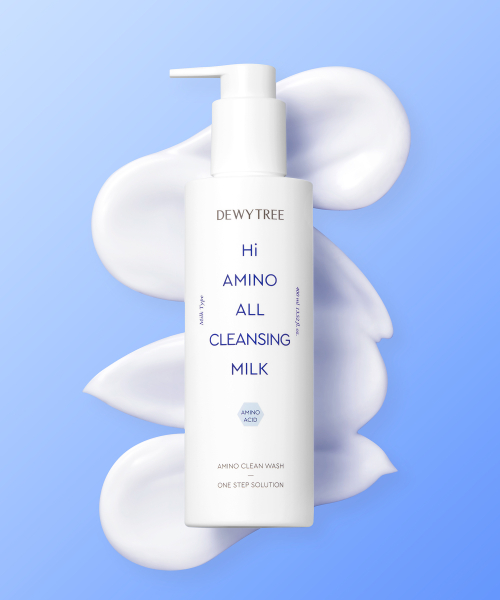
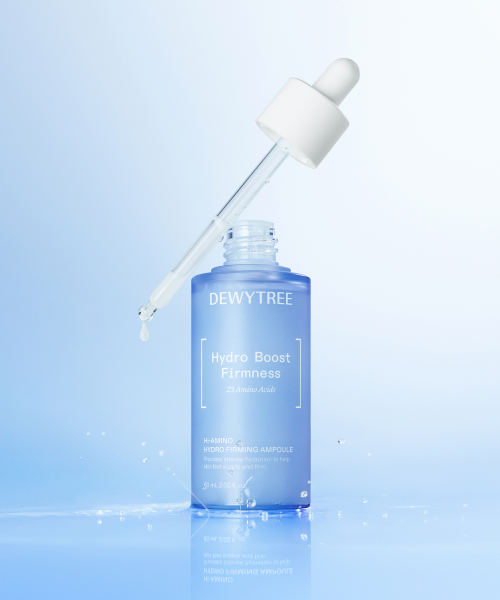
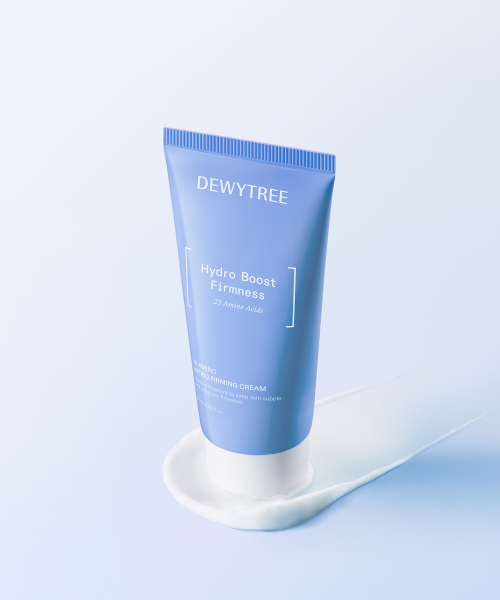
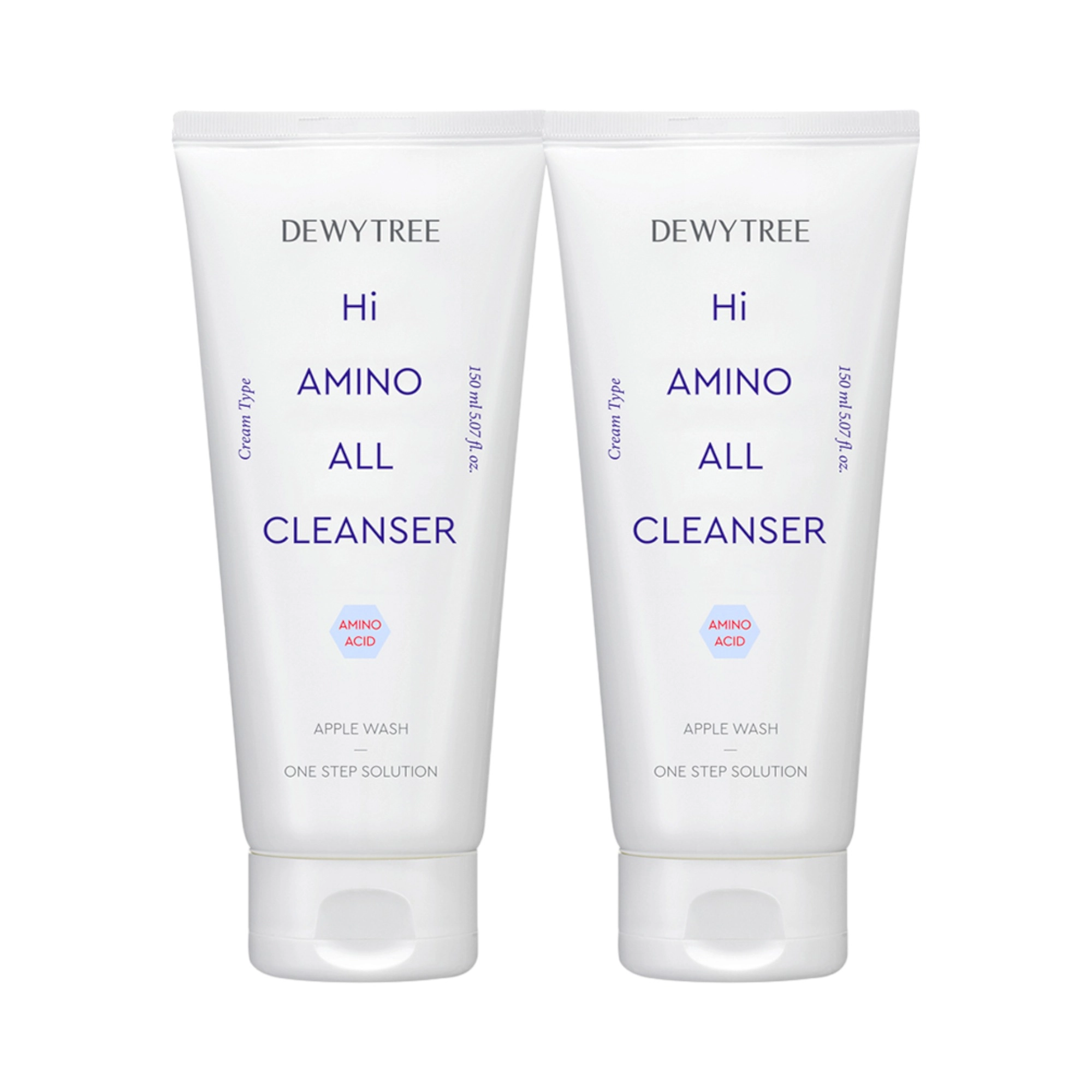
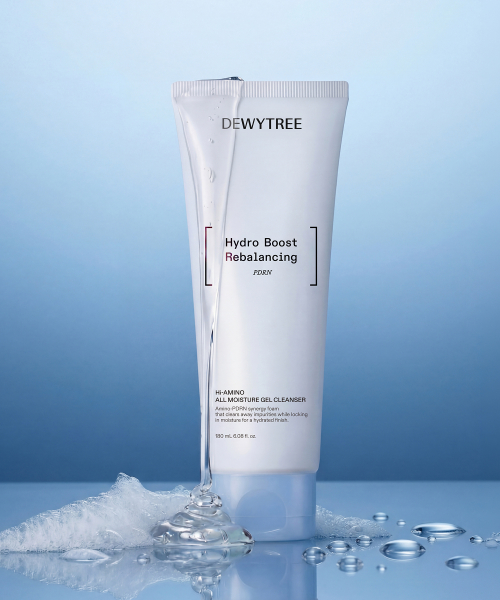
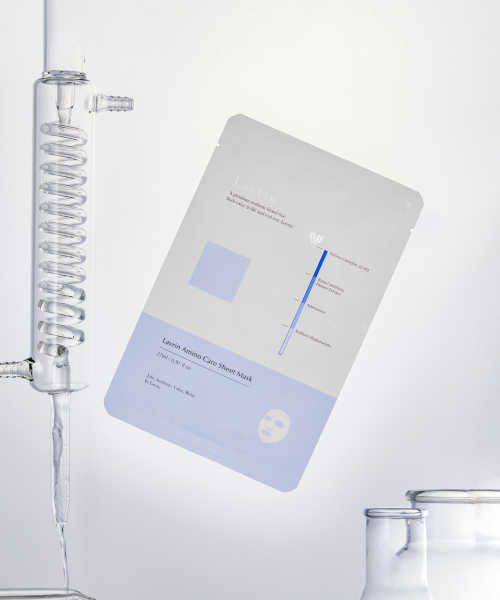
This is one of the few ingredient words where the Korean shelf is genuinely ahead, and also one where the labelling is least honest about it. Of 55 live products here with "amino" in the name, 27 are cleansers and another 14 are hair products — shampoos, conditioners, keratin treatments — which is worth knowing before you buy an "amino" bottle expecting skincare. The more interesting number is in the ingredient lists. Of the 543 products in this catalogue with a published INCI, 39 contain an amino-acid surfactant — and 37 of those say nothing about amino acids anywhere on the front. Sodium cocoyl glycinate alone appears in 25, sodium lauroyl glutamate in 16. Exactly one product in that whole set contains a sulfate. So the picture is not that amino-acid cleansers are a premium Korean innovation you have to hunt for; it is that they are the default construction of a Korean cleanser, and "amino acid" on the front is a marketing choice a minority of brands make about a formulation almost all of them already use. Dixionist builds a whole line on the name — toner, lotion, cream, ampoule, cleanser, sunscreen — while DEWYTREE's Hi Amino range and innisfree's Green Tea Amino cleansers put it on the cleanser where it belongs. The practical upshot for a shopper: if you are paying extra for the words, check whether the unmarked cleanser next to it has the same surfactant, because it very often does.
Best for
- Skin that feels tight or stinging after cleansing
- Sensitised and redness-prone skin
- Barrier recovery
- The cleanse step of a retinoid or acid routine
Not ideal for
- Removing water-resistant sunscreen or full makeup on its own
- Anyone buying it as a treatment active rather than a cleanser
- Anyone whose actual complaint is congestion or blackheads
- Anyone paying a premium for the words without reading the INCI
Pairs well with
BHA
pairs wellA low-irritation cleanse is the right base under an acid routine — it stops the two steps competing.
→ Cleanse, dry, then acid.
AHA (Glycolic & Lactic Acid)
pairs wellSame logic as BHA: the gentler the wash, the more exfoliation your skin will tolerate.
Retinol
pairs wellSwapping to an amino-acid cleanser is the standard fix for retinol dryness before anyone touches the dose.
Retinal
pairs wellSame as retinol — most of what people call retinoid sensitivity starts at the cleanse step.
Ceramides
pairs wellClean gently, then replace lipids. The classic barrier-repair pair.
Panthenol
pairs wellRoutinely formulated together in the same gentle cleanser; nothing to manage.
Hyaluronic acid
pairs wellBoth humectants, and hyaluronic acid is much the stronger one — amino acids are the supporting act.
Niacinamide
pairs wellNo interaction at all; a mild cleanse just means niacinamide lands on a calmer surface.
Microbiome & postbiotic complexes
pairs wellLow-pH, low-irritation washing is the part of 'microbiome-friendly' with actual evidence behind it.
Centella asiatica
pairs wellTwo low-risk soothing choices; frequently in the same cleanser.
Peptides
pairs wellNo conflict — but peptides are chains of amino acids doing a different job, so an amino acid cleanser is not a peptide step.
→ Different steps, different purposes.
Routine placement
- Where it lives
- Cleanser · Toner · Essence · Serum · Moisturizer
- AM/PM
- AM & PM
- Frequency
- Every wash — nothing to build up to
Pregnancy note: Considered suitable during pregnancy and nursing in topical cosmetic use.
How to use it
First step, morning and night, as often as you wash — there is no tolerance to build and no frequency ceiling. Lukewarm water, not hot. Twenty to thirty seconds of contact is plenty; a mild surfactant left sitting on the face for two minutes is still a surfactant. At night, oil or balm first, then the amino-acid foam, which is what Korean double cleansing is actually for. The test for whether it is working is simple and does not involve the label: your skin should feel comfortable and slightly cushioned straight out of the shower, not tight, not squeaky. Squeaky means you stripped it, whatever the front of the bottle says. If you want the free-amino-acid version in a leave-on step, it belongs early — toner or essence, on damp skin, sealed with a moisturizer — and treat it as one humectant among several rather than the reason the product works.
The Plug verdict
The cleanser version is real and the serum version is mostly vibes, and the same two words cover both. Amino-acid surfactants are measurably gentler than the sulfates they replaced — that comparison has been run properly, more than once, and sodium cocoyl glutamate wins it — so if washing your face leaves your skin tight, this is the switch to make, and it will do more for you than the next serum will. But read the back, not the front. Thirty-seven of the thirty-nine products here that actually contain an amino-acid surfactant never mention it on the label, which means the word is a price signal more often than it is information. Free amino acids in a leave-on toner are a different and much weaker proposition: they are genuinely 40% of your skin's own natural moisturizing factor, and that is a fact about your skin rather than a demonstrated result of putting glycine on it. Buy the cleanser. Be sceptical of the ampoule. And do not confuse any of this with peptides, which are chains of the same building blocks doing an entirely different job.
Products featuring amino acids
39 productsEditorially picked products where amino acids is the hero — ranked by real value across authentic retailers.






Products with amino acids
6 products
Sidmool
Kakadu Amino Cleanser

innisfree
Green Tea Amino Hydrating Cleansing Water

Ohui
Age Recovery Soft Amino Foam
innisfree
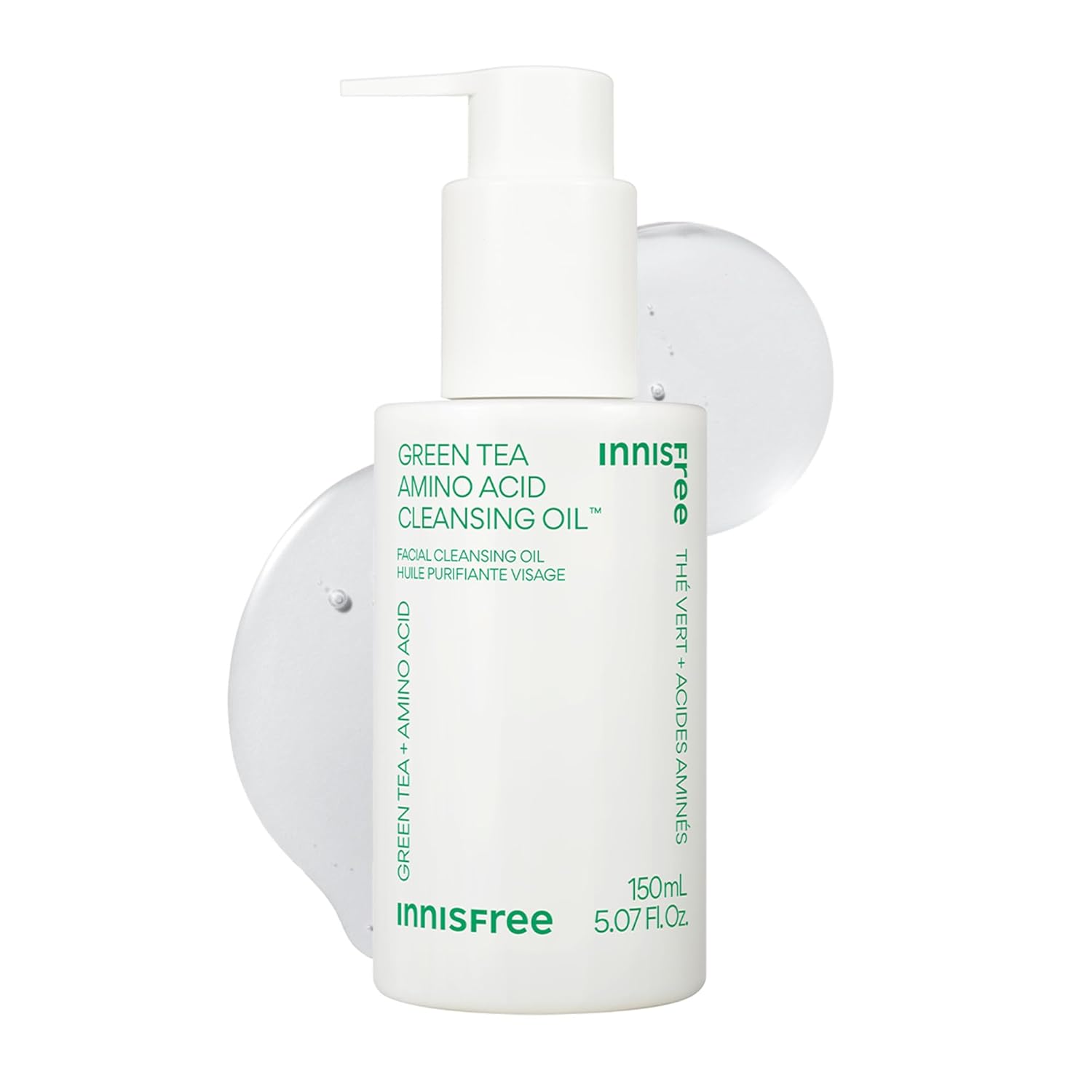
Green Tea Amino Acid Cleansing Oil 5.07 oz.(150ml)
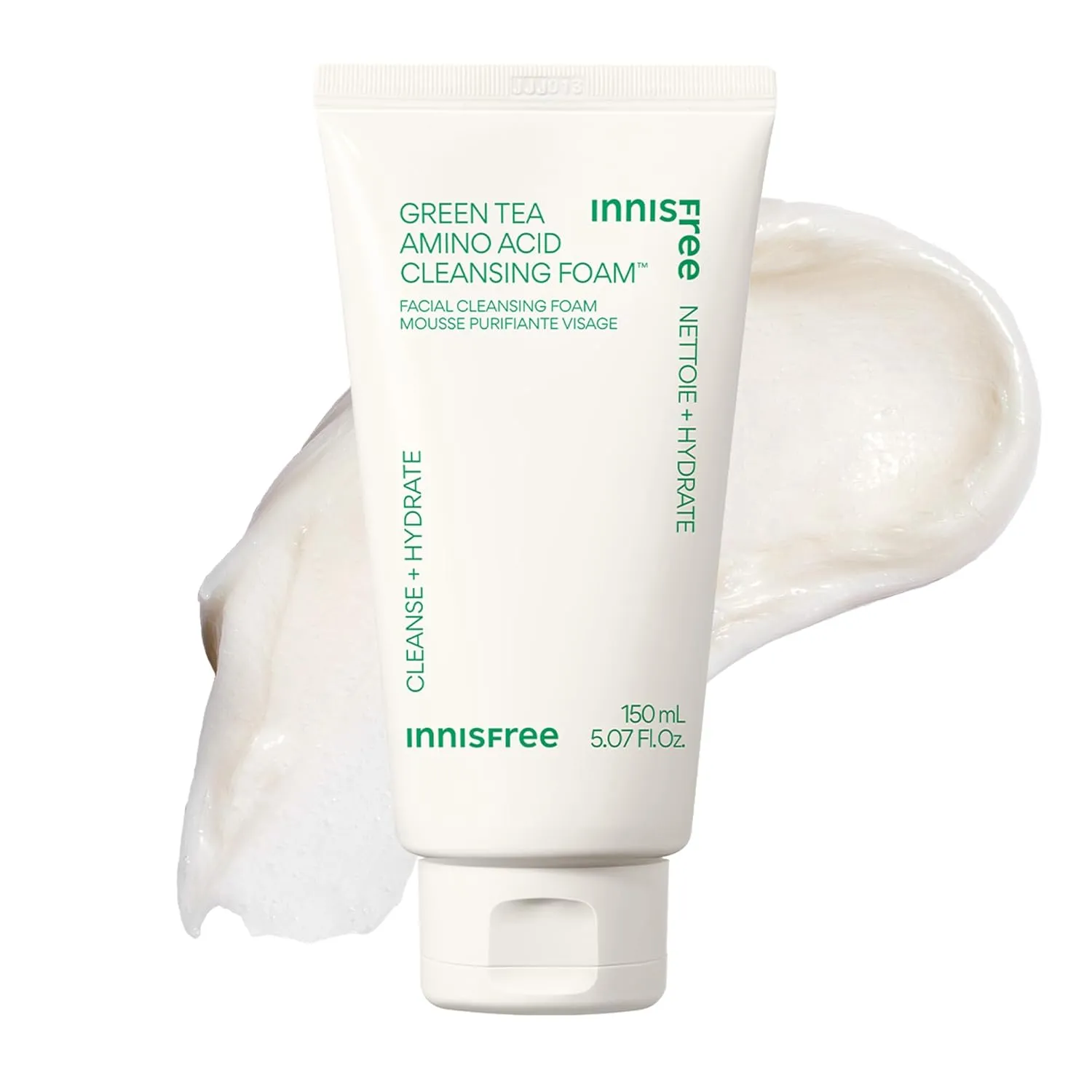
innisfree
Green Tea Amino Acid Cleansing Foam 5.07 fl. oz.(150ml)

DEWYTREE
Hi Amino All Cleansing Milk 7.44 oz.(200ml)
We match by ingredient mentions in product copy from our authentic retailers. If we missed a product you know contains amino acids, let us know.
Related ingredients
Ceramides
The mortar between your skin cells — restores the barrier when it's been compromised.
Beginner-safe
Panthenol
aka Pro-vitamin B5
Quiet workhorse — hydrates, soothes, and speeds the skin's recovery from almost anything.
Beginner-safe
Peptides
aka Signal peptides
Gentle anti-aging messengers that nudge skin to firm up — the low-irritation alternative to retinoids.
Beginner-safe
Frequently asked
- What does Amino Acids do?
- On a Korean label this almost always means the cleanser's surfactant system, not a treatment active — and that is a real, measurable thing to buy, just not the thing the box implies.
- Is Amino Acids good for beginners?
- Yes — Amino Acids is considered beginner-friendly in most K-beauty routines.
- Is Amino Acids safe for sensitive skin?
- Amino Acids is generally well-tolerated on sensitive skin.
- How do you use Amino Acids?
- First step, morning and night, as often as you wash — there is no tolerance to build and no frequency ceiling. Lukewarm water, not hot. Twenty to thirty seconds of contact is plenty; a mild surfactant left sitting on the face for two minutes is still a surfactant. At night, oil or balm first, then the amino-acid foam, which is what Korean double cleansing is actually for. The test for whether it is working is simple and does not involve the label: your skin should feel comfortable and slightly cushioned straight out of the shower, not tight, not squeaky. Squeaky means you stripped it, whatever the front of the bottle says. If you want the free-amino-acid version in a leave-on step, it belongs early — toner or essence, on damp skin, sealed with a moisturizer — and treat it as one humectant among several rather than the reason the product works.