Soothing
Bamboo
also known as Bamboo water, bamboo sap, bamboo extract, black bamboo, Bambusa vulgaris, Phyllostachys
Usually the water your serum is made with, not the thing doing the work — and on this shelf the bamboo-branded products almost always name their real active somewhere else on the label.
What it is
Bamboo is not one cosmetic ingredient. It is a family of grasses and at least four different materials that reach your face under the same word. Bamboo water (Bambusa Vulgaris Water) is the watery fraction, used as part or all of the water phase of a formula. Bamboo extract covers leaf, stem, shoot and shoot-bark extracts from several species — Bambusa vulgaris is the commodity one, Phyllostachys nigra is the black bamboo of Korean marketing, Phyllostachys pubescens turns up as shoot bark. Bamboo charcoal is a different material entirely: carbonised bamboo used as an adsorbent in masks and cleansers, with nothing in common with the extracts beyond the plant. And bamboo stem powder is a physical scrub particle. The official job description is modest: the EU ingredient database lists Bambusa Vulgaris Extract for skin conditioning, and the leaf/stem extract as a humectant. That is the whole of what regulators credit it with. Silica is the hook the marketing hangs on — bamboo genuinely is a silica-rich plant — but silica in a topical extract is not the ingestible silica of supplement advertising, and the two get blended together constantly.
What it actually does
In practice it does two things well and a third thing it gets credit for without the evidence. First, bamboo water functions as a water phase with some humectant character — the sugars, amino acids and minerals in the sap hold a little water at the surface. Second, the leaf extracts carry polyphenols and flavonoids, and in the lab they test as competent antioxidants; one in-vitro assay put a bamboo extract in the same antioxidant range as ascorbic acid. Both of those are real, and both are ordinary. The third is the collagen-and-firmness story built on the silica content, and it has no human topical data behind it at all. The rest of the file is thin in a specific, repeating way: an anti-melanogenic result in B16F10 melanoma cells, anti-inflammatory markers in cell models and a mouse model, and a single 60-person study where sebum dropped — but the gel contained green tea and lactic acid as well as bamboo and was driven in with ultrasound, so it tells you nothing about bamboo alone. There are no human trials on bamboo extract on its own worth leaning on. It is a pleasant, low-risk supporting ingredient, and that is the honest ceiling.
Why K-beauty uses it
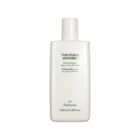
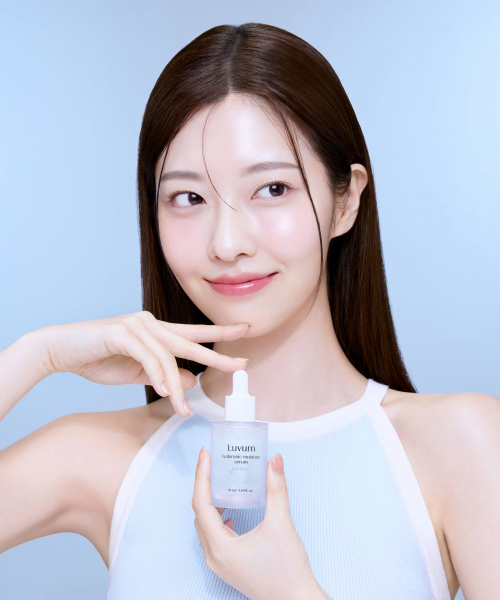
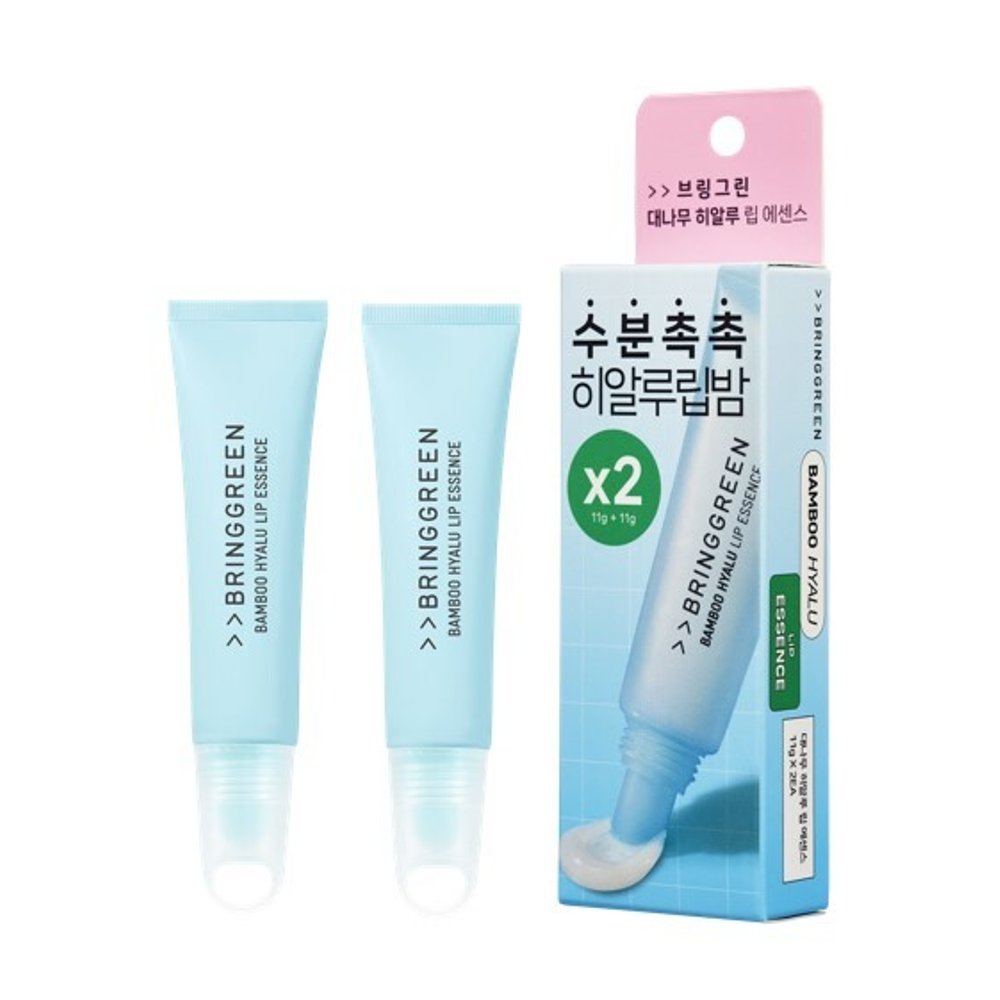
Bamboo is old in Korea — damyeop-juk, bamboo sap collected from tapped stems, is a heritage material in the same way birch sap is — and the modern shelf uses it as a cooling, soothing water. That shows up in where it lands: of 35 products in this catalogue with bamboo in the name, the single largest category is sunscreen, followed by mists and toners. But the clearest thing about bamboo on this shelf is the gap between the name and the formula. Of 562 products here with a published ingredient list, 8 contain a Bambusa ingredient — and not one of those 8 says bamboo anywhere in its product name. They are Banila Co's Clean It Zero, Beauty of Joseon's Mugwort+Camelia sun stick, two Dr.Althea Aqua Marine products, Axis-Y's LHA cream, two SOME BY MI serums and a fation ampoule. Meanwhile none of the 35 bamboo-named products has a published ingredient list in this catalogue at all, so for those the formula is simply unverified here. And the bamboo-branded lines tend to name their real active on the label right next to the word: PURITO SEOUL's Mighty Bamboo Panthenol range is four products led by panthenol, Luvum's Bamboo Hyaluronic line is five led by hyaluronic acid, Bring Green's Bamboo Hyalu line is four more, and Ksecret's Refining Pad C Retinal Bamboo is a retinal pad. Haruharu Wonder's Black Bamboo line — eight products — is the one range on this shelf where bamboo is genuinely the lead, built on black bamboo leaf, shoot bark and bamboo water with Aspergillus ferment.
Best for
- Sensitised skin that wants hydration without actives
- Mists, toners and gel sunscreens
- Anyone who wants a cooling, low-risk watery layer
Not ideal for
- Anyone buying it as a firming or collagen active
- Anyone buying it for the sebum or pore claims
- Anyone expecting bamboo charcoal's behaviour from a bamboo extract
Pairs well with
Niacinamide
pairs wellNothing reactive between them — bamboo water hydrates, niacinamide does the actual work.
Panthenol
pairs wellThe pairing the shelf already sells: the Mighty Bamboo range is panthenol-led for a reason.
→ Any time.
Hyaluronic acid
pairs wellBoth humectants, and hyaluronic acid is the stronger one. Common in the same bottle.
→ On damp skin, then seal.
Centella asiatica
pairs wellTwo soothing botanicals, no clash — this is the standard calming toner formula.
Heartleaf
pairs wellSame soothing slot, frequently stacked in mists and pads.
BHA
pairs wellAcid first, bamboo mist or toner after to take the edge off.
AHA (Glycolic & Lactic Acid)
pairs wellNothing in bamboo reacts with an acid; use it as the comfort step afterwards.
Retinol
pairs wellA watery bamboo layer is a fine buffer on a retinol night.
Retinal
pairs wellSame as retinol — no interaction, just hydration.
Vitamin C
pairs wellNo conflict. Bamboo's antioxidant contribution is minor next to vitamin C's, not additive to it.
Use with care
Not "avoid at all costs" — most K-beauty routines get away with these combos by splitting AM/PM or alternating nights. The caution is about how you layer, not whether you use them.
Routine placement
- Where it lives
- Toner · Essence · Serum · Moisturizer · Sunscreen
- AM/PM
- AM & PM
- Frequency
- As often as you like — it is not an active and there is nothing to build tolerance to
Pregnancy note: Considered suitable during pregnancy and nursing in topical cosmetic use. Check with your doctor about anything else in the formula.
How to use it
Wherever it appears, which is almost always early in the routine — a mist, a toner, a watery essence, or the base of a gel cream or sunscreen. There is no technique to it and no ramp-up: it is not an active, so there is no tolerance to build, no limit on frequency, and no interaction worth planning around. Use it morning, night, or both. The one genuinely useful habit is to read past it. When a label says bamboo, find out which bamboo and where it sits: Haruharu Wonder's Black Bamboo Mist stacks three bamboo extracts at positions six, seven and eight of eighteen ingredients, after water, glycerin, betaine, propanediol and hexanediol — which is a legitimate inclusion and still means the base of the product is glycerin-and-water doing the hydrating. If bamboo sits past the midpoint of a list, treat it as the story on the box rather than the formula.
The Plug verdict
Bamboo is a good supporting ingredient with an oversized name. What it reliably does is hold a little water at the surface and bring some antioxidant polyphenols along — useful, unremarkable, and roughly where the evidence stops. The silica-builds-collagen claim that sells it has no human topical data, and the sebum study everyone cites used green tea, lactic acid and an ultrasound machine alongside the bamboo. Three practical rules. One: work out which bamboo you are buying, because bamboo water, leaf extract, charcoal and stem powder are four different materials and only the first two are what the marketing is describing. Two: check where it sits in the list — past the midpoint, it is packaging. Three: on this shelf specifically, the word is usually not the active. Nine of the bamboo-branded products here name panthenol, hyaluronic acid or retinal right next to it, and those are the ingredients doing the work. The exception worth knowing is Haruharu Wonder's Black Bamboo line, which is actually built on the plant. Buy bamboo for a nice cooling mist. Do not buy it for firmness.
Products featuring bamboo
23 productsEditorially picked products where bamboo is the hero — ranked by real value across authentic retailers.




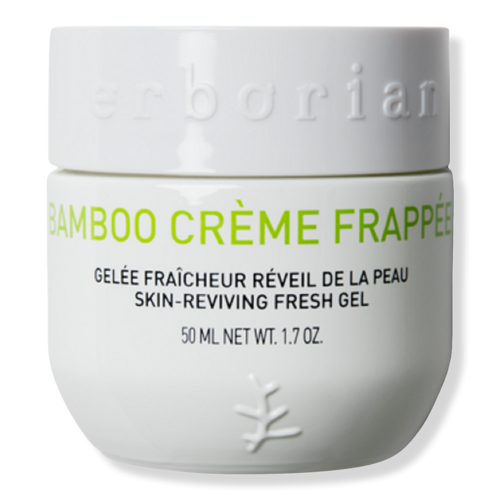

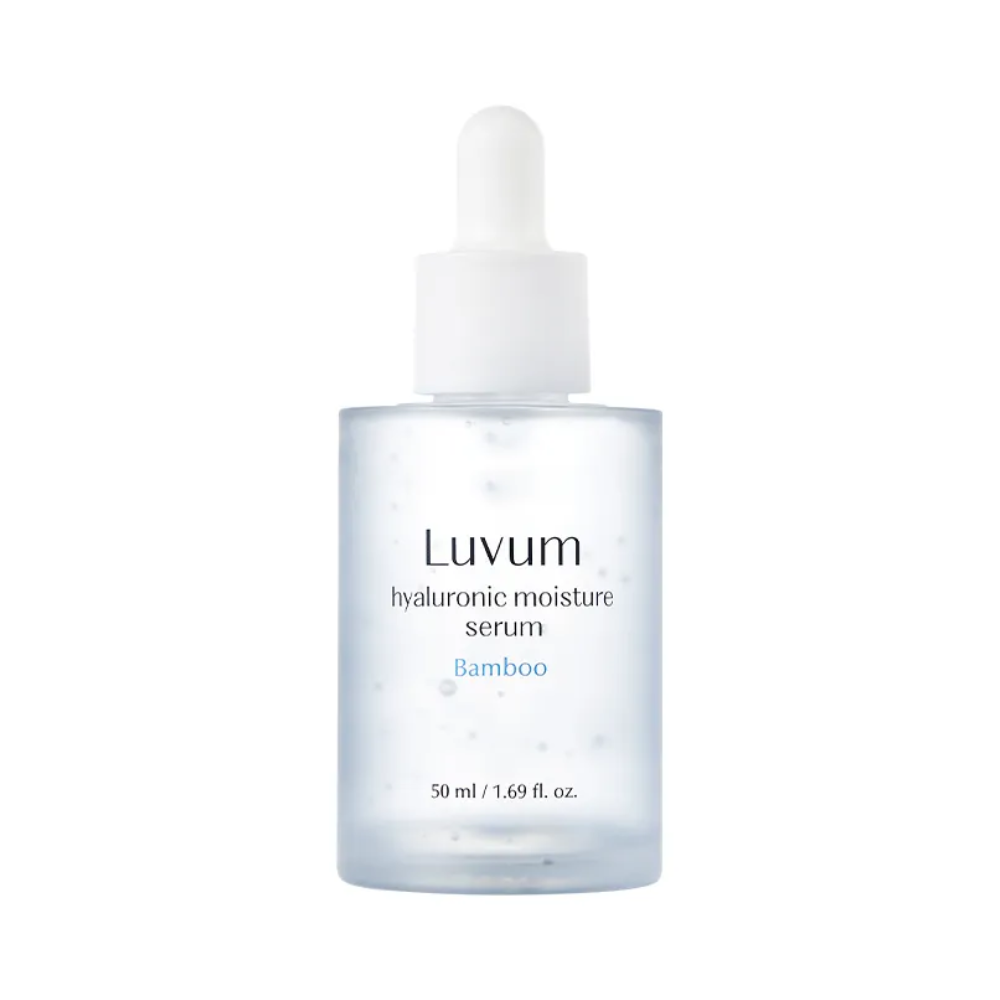

Products with bamboo
6 products
Sunnicorn
Bamboo Sooting Sun BB

PURITO SEOUL
Mighty Bamboo Panthenol Serum

B : Lab
Bamboo 365 Super Aqua Sunscreen SPF50+ PA++++

Haruharu Wonder
Black Bamboo Daily Soothing Sun Shield SPF50+ PA++++

PURITO SEOUL
Mighty Bamboo Panthenol Cream
Ksecret
Seoul 1988 Refining Pad C Retinal Bamboo
We match by ingredient mentions in product copy from our authentic retailers. If we missed a product you know contains bamboo, let us know.
Related ingredients
Heartleaf
aka Houttuynia cordata
The breakout-calmer of the moment — settles angry, reactive skin with a very light touch.
Beginner-safe
Centella asiatica
aka Cica, tiger grass
The K-Beauty soothing standard — calms redness, speeds barrier recovery, and quiets reactive skin.
Beginner-safe
Birch Sap
aka Betula alba juice, birch juice, birch water
Tree sap used in place of water in the formula — a light, mineral-carrying hydrator that is, in the US market, almost entirely one brand's ingredient.
Beginner-safe
Frequently asked
- What does Bamboo do?
- Usually the water your serum is made with, not the thing doing the work — and on this shelf the bamboo-branded products almost always name their real active somewhere else on the label.
- Is Bamboo good for beginners?
- Yes — Bamboo is considered beginner-friendly in most K-beauty routines.
- Is Bamboo safe for sensitive skin?
- Bamboo is generally well-tolerated on sensitive skin.
- How do you use Bamboo?
- Wherever it appears, which is almost always early in the routine — a mist, a toner, a watery essence, or the base of a gel cream or sunscreen. There is no technique to it and no ramp-up: it is not an active, so there is no tolerance to build, no limit on frequency, and no interaction worth planning around. Use it morning, night, or both. The one genuinely useful habit is to read past it. When a label says bamboo, find out which bamboo and where it sits: Haruharu Wonder's Black Bamboo Mist stacks three bamboo extracts at positions six, seven and eight of eighteen ingredients, after water, glycerin, betaine, propanediol and hexanediol — which is a legitimate inclusion and still means the base of the product is glycerin-and-water doing the hydrating. If bamboo sits past the midpoint of a list, treat it as the story on the box rather than the formula.