Hydration & barrier
Camellia Oil
also known as Tsubaki oil, camellia seed oil, dongbaek, Camellia japonica seed oil, Camellia oleifera seed oil
One word on the box, four different ingredients inside. Mostly it is the oil phase of your cleansing oil — and the Camellia line you are thinking of does not use the oil at all.
What it is
Camellia is a genus, not an ingredient, and that is the whole problem. Four different things reach your face under the word, and they are not interchangeable. Camellia japonica seed oil — tsubaki, the one Japan and Jeju have pressed for centuries — is a fixed oil from the seed: an emollient, dominated by oleic acid with linoleic, squalene, phytosterols including beta-sitosterol, and tocopherol along for the ride. Camellia oleifera seed oil is the commercial tea seed oil of southern China, chemically close, roughly 68-82% oleic acid depending on cultivar. Camellia sinensis seed oil is pressed from the seed of the green tea plant — the same species as green tea, the wrong part of it; innisfree's entire Green Tea Seed line is built on this, and it is an oil, not an antioxidant extract. And Camellia japonica flower extract or flower water is a floral infusion with none of the oil's lipid profile. CosIng lists Camellia Japonica Seed Oil as emollient and skin-conditioning (CAS 223748-13-8); that is the official job description, and it is a modest one. Green tea extract — Camellia sinensis leaf — is a fifth entry in the genus and has its own page here, because it behaves nothing like any of these.
What it actually does
As an emollient it softens, adds slip, and slows water loss from the surface — real work, and roughly the extent of what is established. Because it is overwhelmingly oleic rather than linoleic, it sits heavier and more occlusive on skin than a linoleic-led oil like rosehip or safflower, which is why it dissolves makeup and sunscreen so well and why it suits dry skin better than oily. The squalene and phytosterol fraction is a plausible barrier contribution, and the tocopherol content is mostly there to keep the oil itself from going rancid. Past that the evidence thins out fast and the marketing does not. The brightening claim that follows camellia around traces back to a 2021 study on Camellia japonica *essential* oil in melanoma cells — not seed oil, not human skin, not a reason to buy it for dark spots. Collagen-stimulation and anti-ageing claims are asserted without human data. The antioxidant and moisturising studies that do exist are small, mostly on C. assamica and C. oleifera rather than tsubaki, and largely not in humans; there are no clinical trials on tsubaki oil on skin worth leaning on. Treat it as a good oil, not an active.
Why K-beauty uses it
Dongbaek is a real Korean heritage ingredient, not an import of the Japanese story. Jeju's camellia forests bloom in winter and the oil was a household staple there long before it was a cosmetic claim, which is why Jeju shows up on the label — PRETTYSKIN's Jeju Camellia Glow Oil, OSULLOC selling Jeju camellia as a drinking tea in the same catalogue. But the modern Korean reality is quieter than the heritage framing. Camellia oil in Korean formulas lives almost entirely in two places: cleansing oils and balms — Sulwhasoo's Gentle Cleansing Oil, beplain's Mung Bean Cleansing Oil, Dr.Althea's Pure Grinding Cleansing Balm, Dr.G's Green Deep Pore Cleansing Balm, medicube's Zero Pore Blackhead Cleansing Oil, ROUND LAB's own Pine Cica Deep Pore Cleansing Oil — and sun sticks, where it carries the filters, as in Abib's Airy Sunstick and Beauty of Joseon's Mugwort+Camelia stick. Meanwhile the biggest Camellia-branded line on the shelf, ROUND LAB's Camellia Deep Collagen range, leads with Camellia japonica flower extract and flower water, high in the list at eighth and eleventh of forty-odd ingredients. That is a legitimate inclusion of a camellia ingredient. It is just not the oil, and the line's actual headline active is collagen.
Best for
- Dry and dehydrated skin
- Oil cleansing and sunscreen removal
- A last-step occlusive on a dry winter night
Not ideal for
- Fungal acne and seborrheic dermatitis
- Oily and congestion-prone skin in leave-on formats
- Anyone buying it as a brightening or anti-ageing active
- Anyone expecting green tea's behaviour from it
Pairs well with
Green Tea
pairs wellSame genus, different plant part — green tea is the leaf extract, this is the seed oil. Complementary, and constantly confused for each other.
→ Green tea in a watery step, camellia oil last.
Hyaluronic acid
pairs wellHumectant pulls water in, camellia oil seals it down.
→ Hyaluronic on damp skin first, oil last — never the reverse.
Retinol
pairs wellCushions a retinol night and shortens the flake window.
Retinal
pairs wellSame as retinol — a comforting last layer over a retinoid.
BHA
pairs wellOil cleanse first, BHA on clean skin, oil again last if you are dry.
Ceramides
pairs wellBarrier lipids plus an emollient seal — the dry-skin finish.
Vitamin E
pairs wellTocopherol is already in the oil keeping it from going rancid; no conflict, no bonus.
Panthenol
pairs wellSoothing and emollient, nothing reactive between them.
Use with care
Not "avoid at all costs" — most K-beauty routines get away with these combos by splitting AM/PM or alternating nights. The caution is about how you layer, not whether you use them.
Routine placement
- Where it lives
- Cleanser · Serum · Moisturizer · Sunscreen
- AM/PM
- AM & PM
- Frequency
- Daily as a cleanser; nightly as a last step if your skin is dry
Pregnancy note: Considered suitable during pregnancy and nursing in topical cosmetic use. Check with your doctor about anything else in the formula.
How to use it
Oil goes last, or it goes first. Last means a few drops over your moisturiser at night, sealing in whatever you layered underneath — never under a water-based serum, which it will simply block. First means as your oil cleanse, which is honestly where camellia earns its keep: it breaks down sunscreen and long-wear makeup without the squeak, then emulsifies off. Do not buy it as a brightener and do not expect it to do anything green tea does. The single most useful habit this ingredient teaches is reading past the front of the box: in this catalogue, the products that say Camellia on the front mostly use the flower, and the products that use the seed oil mostly do not say camellia anywhere on the front. Of 538 products here with a published ingredient list, 7 contain Camellia japonica seed oil, 1 contains Camellia oleifera seed oil, and 12 contain Camellia sinensis seed oil — the green tea plant's seed outnumbers tsubaki in Korean formulas, which is not what the shelf implies.
The Plug verdict
Camellia oil is a good oil sold as a hero ingredient, and the gap between those two things is where shoppers lose money. What it reliably does is soften skin, slow water loss, and dissolve sunscreen — which is why Korea quietly puts it in cleansing oils and sun sticks rather than in serums. What it does not have is human evidence for brightening or firming, and the brightening study everyone cites was done on essential oil in melanoma cells. Three practical rules. One: if your skin is dry, this is a lovely last-step oil; if you get fungal acne or flake around the nose, skip it entirely. Two: it is not green tea, and 'green tea seed oil' is not green tea either — innisfree's Green Tea Seed line is this oil, not the antioxidant extract. Three: if you are buying ROUND LAB's Camellia Deep Collagen line, buy it for the collagen and the flower extract, because the seed oil is not in it. One genus, four ingredients, and the word on the front tells you almost nothing about which one you are getting.
Products featuring camellia oil
23 productsEditorially picked products where camellia oil is the hero — ranked by real value across authentic retailers.


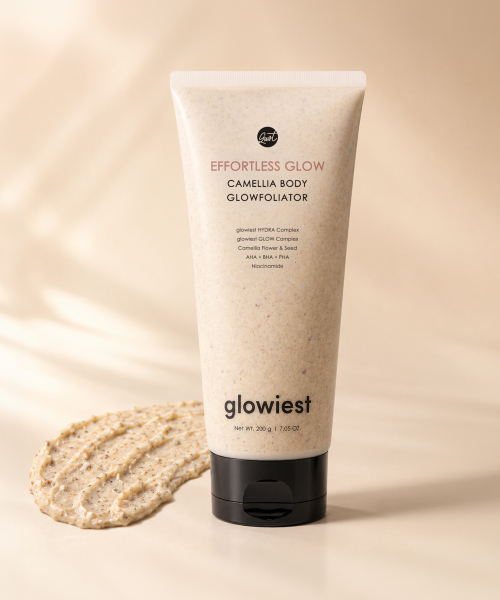
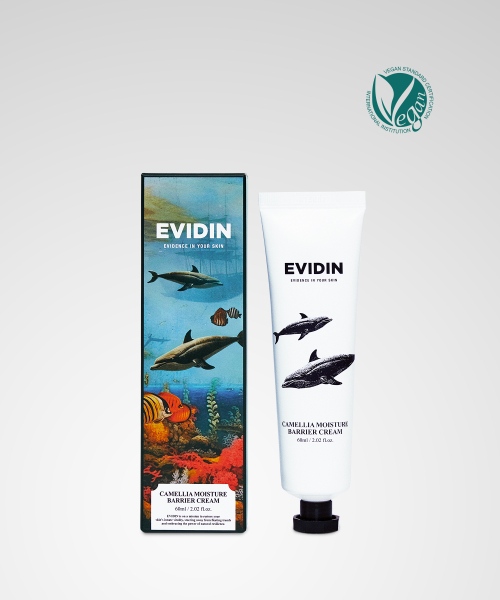

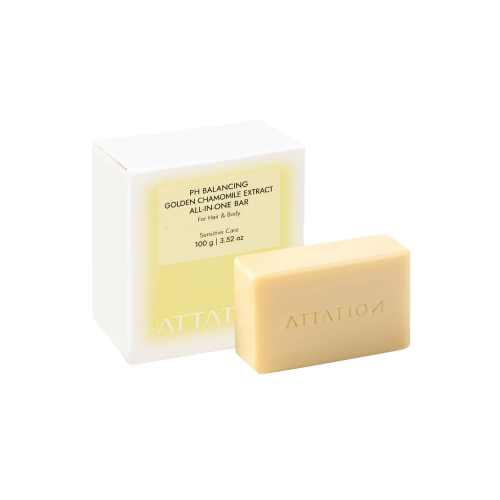
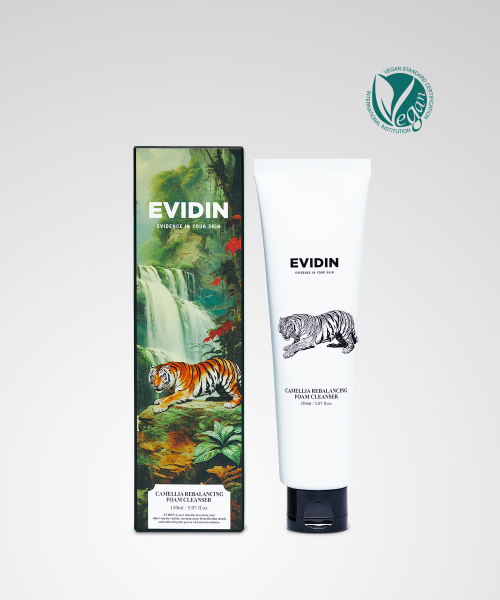
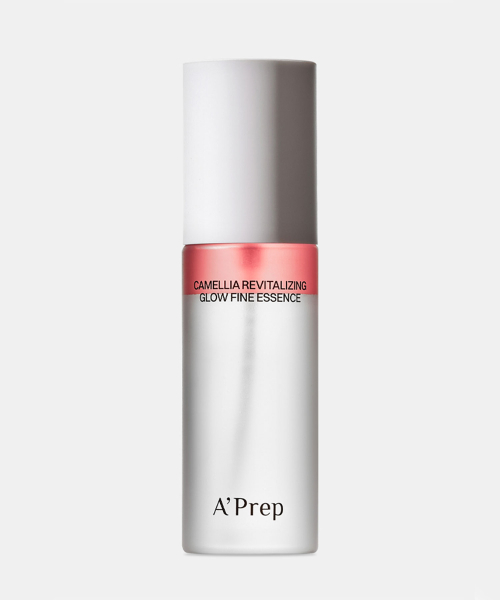
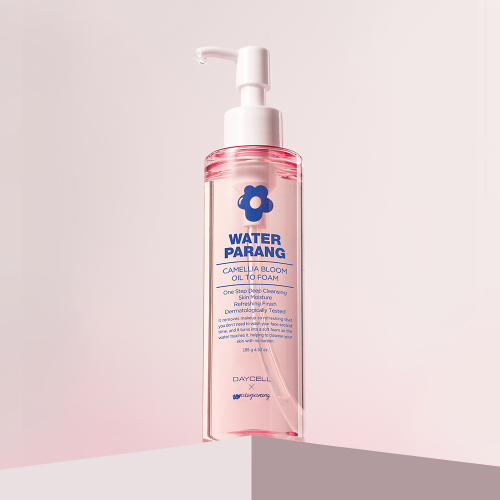
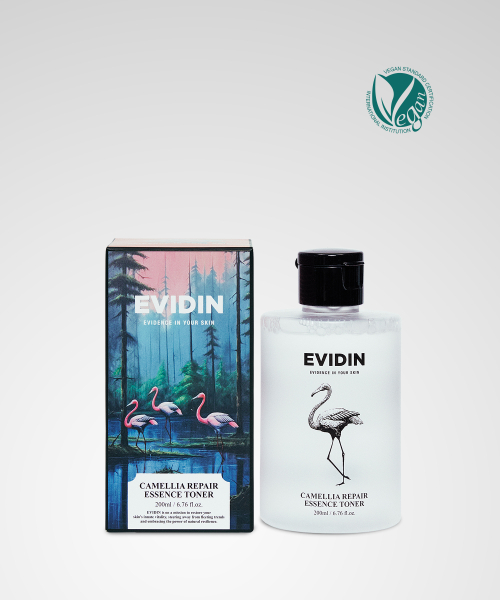
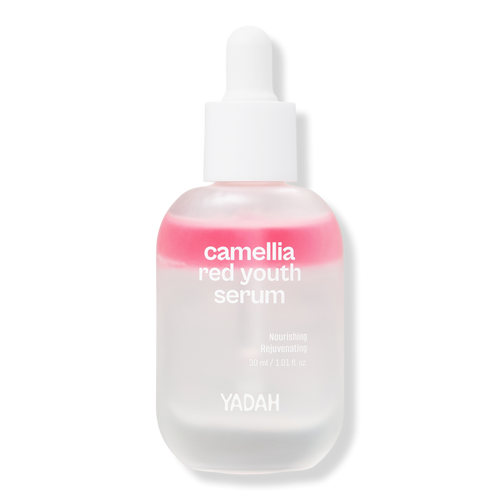
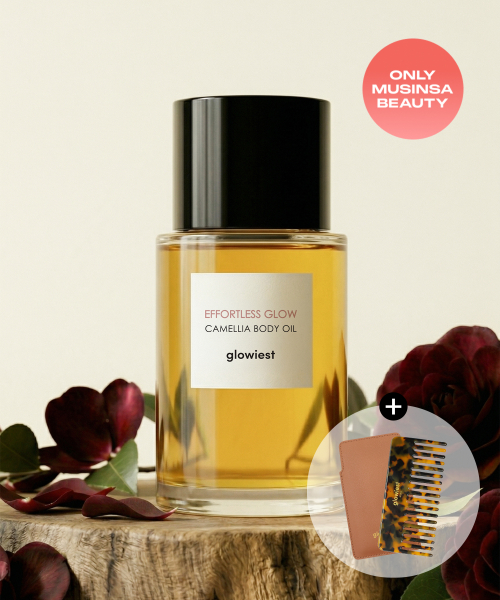


Products with camellia oil
6 products
ROUND LAB
Camellia Deep Collagen Firming Sun Serum SPF50+ PA++++

ROUND LAB
Camellia Deep Collagen Firming Cream

ROUND LAB
Camellia Deep Collagen Jelly Mask Cleanser

ROUND LAB
Camellia Deep Collagen Firming Ampoule

ROUND LAB
Camellia Deep Collagen Eye Cream 30ml

ROUND LAB
Camellia Deep Collagen PDRN Milky Toner
We match by ingredient mentions in product copy from our authentic retailers. If we missed a product you know contains camellia oil, let us know.
Related ingredients
Squalane
aka Squalane
A lightweight, non-greasy oil that mimics skin's own — seals in moisture without clogging.
Beginner-safe
Green Tea
aka Camellia sinensis
Antioxidant calm for oily and reactive skin — soothes redness and helps keep shine in check.
Beginner-safe
Ceramides
The mortar between your skin cells — restores the barrier when it's been compromised.
Beginner-safe
Frequently asked
- What does Camellia Oil do?
- One word on the box, four different ingredients inside. Mostly it is the oil phase of your cleansing oil — and the Camellia line you are thinking of does not use the oil at all.
- Is Camellia Oil good for beginners?
- Yes — Camellia Oil is considered beginner-friendly in most K-beauty routines.
- Is Camellia Oil safe for sensitive skin?
- Camellia Oil is generally well-tolerated on sensitive skin.
- How do you use Camellia Oil?
- Oil goes last, or it goes first. Last means a few drops over your moisturiser at night, sealing in whatever you layered underneath — never under a water-based serum, which it will simply block. First means as your oil cleanse, which is honestly where camellia earns its keep: it breaks down sunscreen and long-wear makeup without the squeak, then emulsifies off. Do not buy it as a brightener and do not expect it to do anything green tea does. The single most useful habit this ingredient teaches is reading past the front of the box: in this catalogue, the products that say Camellia on the front mostly use the flower, and the products that use the seed oil mostly do not say camellia anywhere on the front. Of 538 products here with a published ingredient list, 7 contain Camellia japonica seed oil, 1 contains Camellia oleifera seed oil, and 12 contain Camellia sinensis seed oil — the green tea plant's seed outnumbers tsubaki in Korean formulas, which is not what the shelf implies.