Hydration & barrier
Vitamin E
also known as Tocopherol, tocopheryl acetate, alpha-tocopherol, mixed tocopherols, 'Super Vitamin E'
It is already in almost half the products you own — thirtieth on the list, keeping the oils from going rancid. The jar with it on the front is selling you the preservative.
What it is
Vitamin E is not one molecule but eight — four tocopherols and four tocotrienols, labelled alpha through delta — and alpha-tocopherol is the one with real biological activity in human tissue, the main agent that strips peroxyl radicals out of lipid membranes. On a Korean ingredient list it shows up in two shapes and the difference matters. Tocopherol is the free, active form: potent, and so unstable that formulators dislike handling it. Tocopheryl acetate is the free form with an acetate group bolted on, which makes it shelf-stable enough to put in a mass-market cream — and inactive until skin enzymes snip that group off. That hydrolysis is not a formality. The stratum corneum is measurably worse at it than the living epidermal layers beneath, so an ester sitting on the surface of dead cells is doing less than the label implies. The CIR reviewed fourteen tocopherol-family ingredients in 2014 and found the lot safe as used, with reported leave-on tocopherol levels rising from 2% in 1999 to 5.4% by 2013, and tocopheryl acetate reported at up to 100% in straight vitamin E oils. COSRX's 'Super Vitamin E' is a brand's adjective, not a grade of anything.
What it actually does
Its real job in most products is to protect the product. Vitamin E is the oil industry's standard antioxidant: it intercepts the chain reaction that turns unsaturated plant oils rancid, which is why it sits in the back third of so many formulas at a fraction of a percent. That is a genuine function, just not one performed on your face. Where it does measurable work on skin is in partnership rather than alone, and the mechanism is well established — vitamin C regenerates oxidised tocopherol back to its active form, so the two together last far longer than either apart. Duke's work on that pairing found a stable 15% vitamin C plus 1% vitamin E solution roughly quadrupled photoprotection against UV-induced erythema and sunburn-cell formation in skin, and adding ferulic acid to stabilise the pair roughly doubled it again. Alone, the record is thinner. The scar question has been tested properly and the answer is not flattering: a systematic review of six prospective studies concluded there is not yet sufficient evidence that topical vitamin E monotherapy meaningfully changes scar appearance, and the Baumann and Spencer double-blind trial behind that verdict found no cosmetic improvement at all, with contact dermatitis in a third of the patients treated. Typical effective topical levels in the literature run 0.1–1%, with commercial products commonly 1–5%.
Why K-beauty uses it
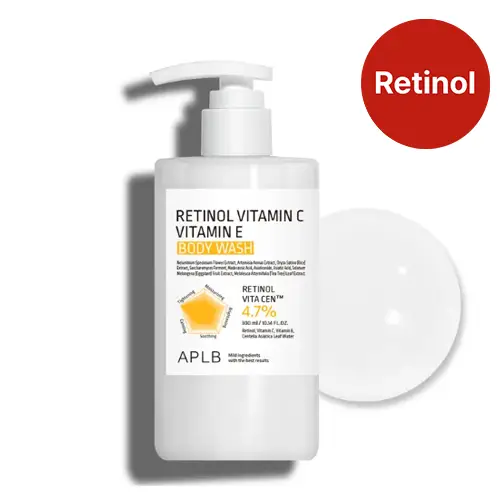
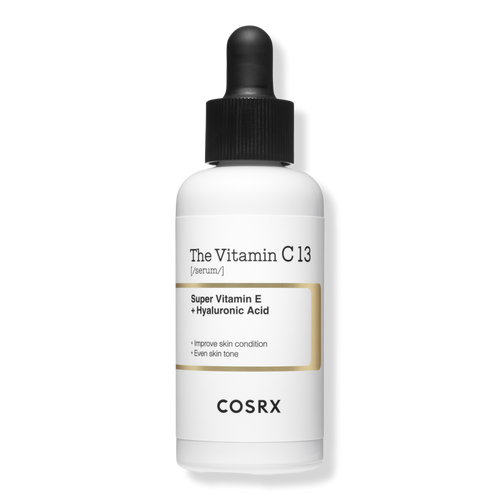
Korea mostly treats vitamin E as a supporting player and is unusually honest about it. The live catalogue carries 30 products with vitamin E or tocopherol in the name across 12 brands, and the striking thing is that 13 of those 30 also name vitamin C — APLB's entire twelve-piece Retinol / Vitamin C / Vitamin E line, COSRX's The Vitamin C 13 Serum with Super Vitamin E. That is the C-plus-E regeneration network sold as a product range, and it is the construction the evidence actually supports. The other half of the list is the older Korean idiom: a 'vitamin' product meaning citrus-bright and pleasant rather than a dosed active — Dear Klairs' Freshly Juiced Vitamin E Mask, The Face Shop's Vitamin E lip pair, PRETTYSKIN's Rosemary Vitamin E Toner. Three are sunscreens, where vitamin E is a sensible passenger behind the filters. Two are oral tablets, which are not skincare at all, and one is a hair-removal cream that wandered into the search. Worth knowing for label-reading: 'vitamin E' in a Korean product name is one of the weakest signals on a box, because the ingredient is in half the shelf regardless.
Best for
- Dry and dehydrated skin
- Barrier repair routines built on oils and balms
- Anyone already using a morning vitamin C serum
Not ideal for
- Anyone buying it as a standalone active
- Scar and stretch-mark treatment, where the trial evidence is poor
- Congestion-prone skin using high-percentage vitamin E oils
- Anyone with a known sunscreen allergy, who should patch test
Pairs well with
Vitamin C
pairs wellThe one pairing worth buying for — vitamin C regenerates oxidised vitamin E, so together they last much longer than either alone.
Retinol
pairs wellStandard construction: vitamin E stabilises the oil phase retinol sits in and adds nothing to the irritation.
Retinal
pairs wellSame as retinol — an inert, helpful passenger in a retinoid formula.
Squalane
pairs wellA lipid antioxidant in a lipid carrier; squalane is the usual vehicle for a reason.
Ceramides
pairs wellBarrier lipids plus the antioxidant that protects them from oxidising.
Niacinamide
pairs wellNo interaction, and they sit in different phases of the same formula.
Green Tea
pairs wellWater-soluble and oil-soluble antioxidants covering different parts of the same job.
Panthenol
pairs wellBoth soothing, neither reactive — a safe barrier pairing.
AHA (Glycolic & Lactic Acid)
pairs wellNothing clashes; the vitamin E in your moisturiser helps the step after exfoliating.
BHA
pairs wellNo conflict — vitamin E is in the recovery half of the routine, not the active half.
Bakuchiol
pairs wellBakuchiol formulas are oil-based and almost always carry tocopherol already.
Glutathione
pairs wellBoth antioxidants, no overlap in mechanism, no reason to separate them.
Routine placement
- Where it lives
- Serum · Moisturizer · Sunscreen · Mask
- AM/PM
- AM & PM
- Frequency
- Daily, and almost certainly already daily whether you chose it or not
Pregnancy note: Considered suitable during pregnancy and nursing in topical cosmetic use. Check with your doctor about anything else in the formula.
How to use it
You almost never need to buy it on purpose, and the catalogue is the argument. Of the 524 products here with a published ingredient list, 233 — 44.5% — already contain a tocopherol, and the median position is thirtieth of about forty-two ingredients, roughly 72% of the way down. If you own a face oil, a balm, a sunscreen or a cream with plant oils in it, you are already applying vitamin E daily. So treat it as a reason to pick one product over another rather than a step to add. The pairing is the exception worth acting on: if you run a vitamin C serum in the morning, one that carries vitamin E alongside it is doing something a C-only formula cannot, and that is the single best use of the ingredient. Where it is named on the box, check the list — APLB's Retinol Vitamin C Vitamin E Facial Cream puts tocopheryl acetate eleventh of fifty-one, which is a real inclusion; its ampoule serum drops it to twentieth of forty-nine. It layers with anything, needs no timing rule, and causes no sun sensitivity. Pure vitamin E oils at high percentages are heavy, oxidise readily, and are the formats most associated with reactions — a well-built serum beats them.
The Plug verdict
Vitamin E is the most widely used ingredient in skincare that almost nobody should shop for. It is in 44.5% of the products in this catalogue with a published list, nearly always in the back third, where its job is to keep the formula's oils from turning — a real job, done to the bottle rather than to you. So the honest advice is to stop treating it as a purchase and start treating it as a tiebreaker. The one place it earns a deliberate choice is next to vitamin C, because the regeneration chemistry there is genuinely established and a C-plus-E serum outperforms a C-only one; Korea has built a whole product category on exactly that insight, and APLB's line is the clearest example of it. The one place to stop believing the folklore is scars, where it has been properly tested and properly failed, with a third of patients in the key trial reacting to it. And a 'Vitamin E' toner or sheet mask is usually the old Korean sense of the word — fresh, citrusy, pleasant — not a dosed antioxidant. Nothing wrong with that. Just do not pay a premium for a preservative.
Products featuring vitamin e
25 productsEditorially picked products where vitamin e is the hero — ranked by real value across authentic retailers.






Products with vitamin e
6 products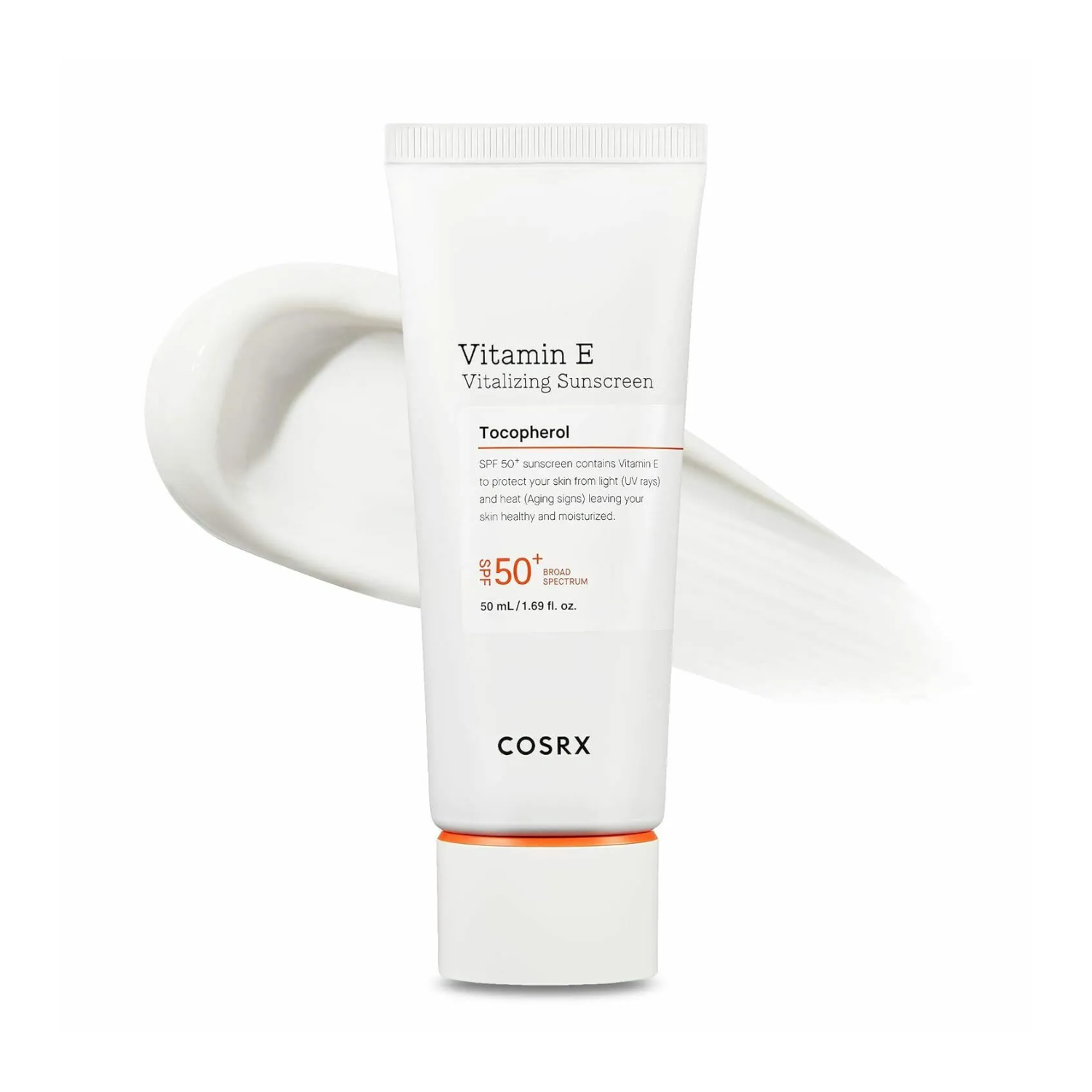
COSRX
Vitamin E Vitalizing Sunscreen 1.69 fl. oz.(50ml)

COSRX
Vitamin E Vitalizing Sunscreen SPF50+

APLB
Retinol Vitamin C Vitamin E Ampoule Serum

APLB
Retinol Vitamin C Vitamin E Sunscreen SPF50+ PA++++
APLB
Retinol Vitamin C Vitamin E Body Lotion

APLB
Retinol Vitamin C Vitamin E Mist Essence
We match by ingredient mentions in product copy from our authentic retailers. If we missed a product you know contains vitamin e, let us know.
Related ingredients
Vitamin C
aka L-ascorbic acid, ascorbyl glucoside
The morning antioxidant — brightens, evens tone, and buffers daily UV and pollution damage.
Squalane
aka Squalane
A lightweight, non-greasy oil that mimics skin's own — seals in moisture without clogging.
Beginner-safe
Ceramides
The mortar between your skin cells — restores the barrier when it's been compromised.
Beginner-safe
Frequently asked
- What does Vitamin E do?
- It is already in almost half the products you own — thirtieth on the list, keeping the oils from going rancid. The jar with it on the front is selling you the preservative.
- Is Vitamin E good for beginners?
- Yes — Vitamin E is considered beginner-friendly in most K-beauty routines.
- Is Vitamin E safe for sensitive skin?
- Vitamin E is generally well-tolerated on sensitive skin.
- How do you use Vitamin E?
- You almost never need to buy it on purpose, and the catalogue is the argument. Of the 524 products here with a published ingredient list, 233 — 44.5% — already contain a tocopherol, and the median position is thirtieth of about forty-two ingredients, roughly 72% of the way down. If you own a face oil, a balm, a sunscreen or a cream with plant oils in it, you are already applying vitamin E daily. So treat it as a reason to pick one product over another rather than a step to add. The pairing is the exception worth acting on: if you run a vitamin C serum in the morning, one that carries vitamin E alongside it is doing something a C-only formula cannot, and that is the single best use of the ingredient. Where it is named on the box, check the list — APLB's Retinol Vitamin C Vitamin E Facial Cream puts tocopheryl acetate eleventh of fifty-one, which is a real inclusion; its ampoule serum drops it to twentieth of forty-nine. It layers with anything, needs no timing rule, and causes no sun sensitivity. Pure vitamin E oils at high percentages are heavy, oxidise readily, and are the formats most associated with reactions — a well-built serum beats them.