Actives
Fig
also known as Ficus carica fruit extract, fig fruit water, ficin
A real Korean skincare ingredient wearing a lipstick-shade name — the fruit is a humectant, and the exfoliation people credit it with comes from an enzyme in the tree's sap, not the fruit.
What it is
Ficus carica, the common fig. On a Korean INCI list it shows up as fig fruit extract, fig fruit water, or occasionally fig fruit/leaf extract — and separately as ficin, a protein-digesting enzyme drawn from the tree's milky latex rather than from the fruit pulp. Those are two different raw materials doing two different jobs, and the front of the box almost never distinguishes between them.
What it actually does
The fruit material is a humectant. Ingredient databases file it under moisturising and skin-conditioning, not exfoliating: it is sugars and polyphenols holding water at the surface, typically used somewhere in the 8–22% range. Its antioxidant reputation rests mostly on test-tube work on fig polyphenols, with very little published on what a cosmetic dose does on actual skin, so that half is better treated as plausible than demonstrated. Ficin is the more interesting component — a proteolytic enzyme from the same family as papain and bromelain, and enzymes in that family loosen the protein bonds holding dead cells at the surface, which is the mechanism behind every enzyme powder cleanser on the shelf. Worth knowing that ficin is rarely working alone. Pull the INCI on the best-known Korean fig enzyme cleanser and you find papain, protease, lipase and mandelic acid listed alongside it, with the two fig ingredients sitting fifth and eighth as humectants. The format does something. The fruit on the label is not the main reason.
Why K-beauty uses it
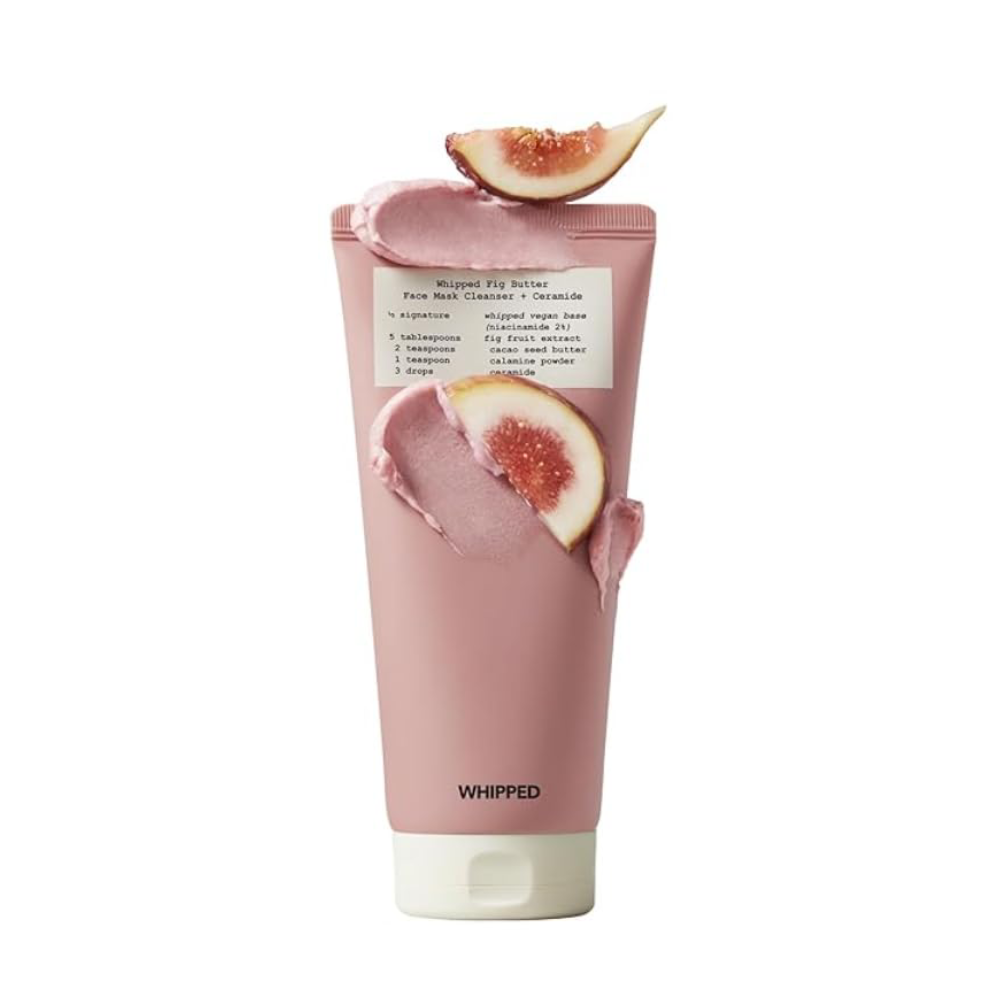
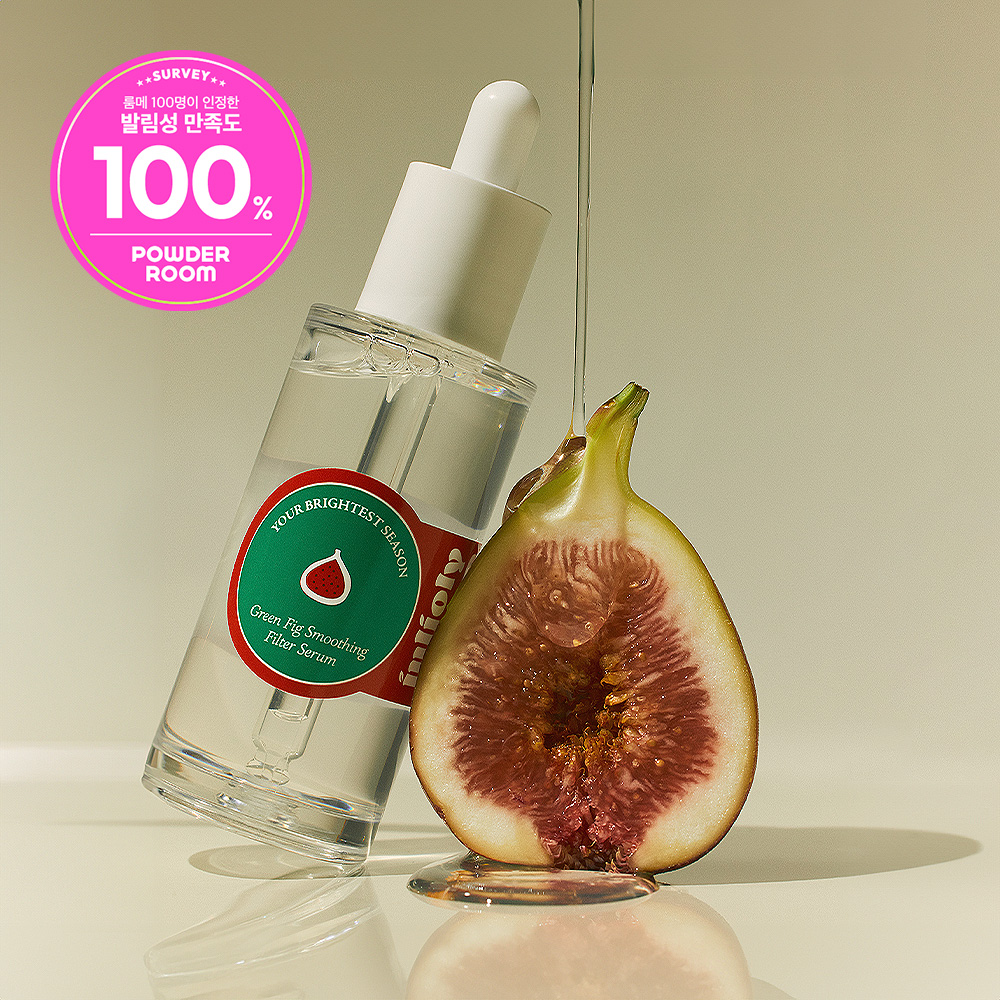
Fig is the second ingredient in this library, after peach, where a plain catalog search misleads badly. Searching live product names for 'fig' returns 71 items and 48 of them are lip tint, blush and balm shades — Honey Fig, Pink Fig, Fig Chaltteok, Boba Fig, Satisfied Fig. Filter to products where fig is actually the formulation story and 14 remain, across six brands. One of those brands is most of the category: I'm From built a full fig range — cleansing balm, cleansing oil, foam cleanser, gelato pack cleanser, enzyme powder, scrub mask and a boosting essence — and much of everyone else's fig product is an answer to it. GOODAL's fig acid peptide line and WHIPPED's fig butter cleansers are the other names worth knowing. Korea has treated fig as a skincare ingredient for years; the West mostly meets it as a candle scent.
Best for
- Dull or rough texture
- Sensitive skin that can't tolerate acids
- First-time exfoliators
Not ideal for
- Fragrance-sensitive skin
- Anyone wanting a proven standalone active
- Stubborn blackheads — BHA does more
Pairs well with
PHA
pairs wellThe two gentlest exfoliating routes; fine together for most people, though still exfoliation twice.
Hyaluronic acid
pairs wellFollow a wash-off fig step with a humectant; nothing competes.
Ceramides
pairs wellBarrier lipids after any exfoliating step is the sensible order.
Niacinamide
pairs wellNo interaction; niacinamide supports the barrier while you exfoliate.
Use with care
AHA (Glycolic & Lactic Acid)
alternate useBoth exfoliate — an enzyme wash and an acid in the same routine is more than most skin needs.
→ Different days.
BHA
alternate useSame issue as AHA: two exfoliating steps stacked.
→ Different days.
Retinol
alternate useAn enzyme cleanser on a retinoid night is a common cause of unexplained stinging.
→ Enzyme wash on non-retinoid nights.
Retinal
alternate useSame as retinol — keep the exfoliating wash off retinoid nights.
→ Alternate nights.
Not "avoid at all costs" — most K-beauty routines get away with these combos by splitting AM/PM or alternating nights. The caution is about how you layer, not whether you use them.
Routine placement
- Where it lives
- Cleanser · Essence · Serum · Mask
- AM/PM
- AM & PM
- Frequency
- Wash-off formats 2–3x a week; leave-on daily
How to use it
Most fig products are wash-off: cleansing balm, oil, foam, powder wash or scrub mask. Start the scrub and enzyme formats at two or three times a week; the balms and oils are fine daily. Leave-on fig essences carry no timing rules of their own — follow whatever else is in the bottle. Sunscreen the next morning whenever you have used an exfoliating step, same as any other. One footnote for gardeners rather than shoppers: fig sap and leaves contain furocoumarins (psoralen and bergapten) and handling a fig tree in sunlight is a documented cause of phytophotodermatitis. That is raw plant contact, not refined cosmetic extract, and it is not a reason to avoid a fig cleanser.
The Plug verdict
Buy fig for the format, not the fruit. The I'm From range is genuinely well made and the enzyme powder is one of the easier ways to get an exfoliating step into a reactive routine. But if you are choosing between two fig products, the thing to compare is what sits beside the fig on the INCI list. A fig cleanser carrying papain, ficin and mandelic acid will do something. A fig essence with fig fruit water in the bottom third and nothing else going on is a pleasant hydrating step priced as though it were more than that. And if the word fig on the packaging is followed by a two-digit number, check whether that number is a shade code before you assume it is a percentage.
Products featuring fig
13 productsEditorially picked products where fig is the hero — ranked by real value across authentic retailers.




Products with fig
6 products
GOODAL
Fig Acid Peptide Skin Booster Powder Cleanser

i'm from
Fig Cleansing Balm

GOODAL
Fig Acid Peptide Glow Skin Booster Essence
i'm from
Fig Gelato Pack Cleanser

i'm from
Fig Scrub Mask

i'm from
Fig Cleansing Oil
We match by ingredient mentions in product copy from our authentic retailers. If we missed a product you know contains fig, let us know.
Related ingredients
PHA
aka Polyhydroxy acid, gluconolactone, lactobionic acid
The third acid, and the one most people should have started with — a bigger molecule that exfoliates more slowly and stings far less than AHA or BHA.
Beginner-safe
Peach
aka Prunus persica fruit extract, peach blossom
One of the few K-beauty ingredients where the word on the front of the box is more often a colour or a scent than a formula decision — and one big product that is the real exception.
Beginner-safe
AHA (Glycolic & Lactic Acid)
aka Alpha hydroxy acids
Surface exfoliants that smooth texture and brighten — the water-loving counterpart to BHA.
Frequently asked
- What does Fig do?
- A real Korean skincare ingredient wearing a lipstick-shade name — the fruit is a humectant, and the exfoliation people credit it with comes from an enzyme in the tree's sap, not the fruit.
- Is Fig good for beginners?
- Yes — Fig is considered beginner-friendly in most K-beauty routines.
- Is Fig safe for sensitive skin?
- Fig is generally well-tolerated on sensitive skin.
- How do you use Fig?
- Most fig products are wash-off: cleansing balm, oil, foam, powder wash or scrub mask. Start the scrub and enzyme formats at two or three times a week; the balms and oils are fine daily. Leave-on fig essences carry no timing rules of their own — follow whatever else is in the bottle. Sunscreen the next morning whenever you have used an exfoliating step, same as any other. One footnote for gardeners rather than shoppers: fig sap and leaves contain furocoumarins (psoralen and bergapten) and handling a fig tree in sunlight is a documented cause of phytophotodermatitis. That is raw plant contact, not refined cosmetic extract, and it is not a reason to avoid a fig cleanser.